By ibrahima yakubu
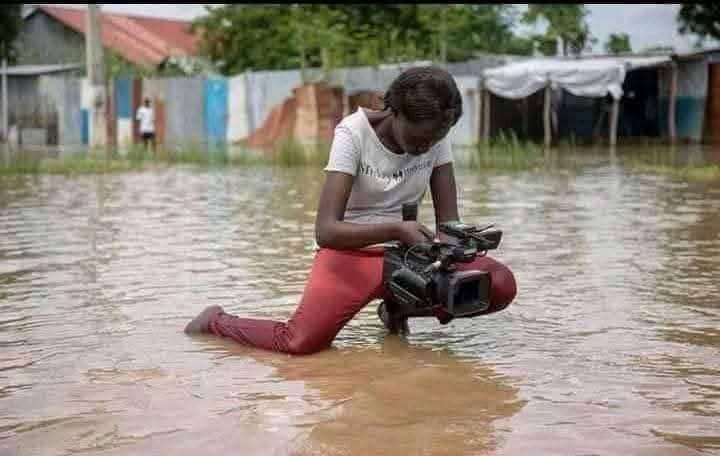
Climate change is already reshaping Africa in profound and uneven ways. From prolonged droughts in the Horn of Africa to flooding in West and Central Africa, from desertification in the Sahel to coastal erosion in cities like Lagos and Dakar, the continent is experiencing some of the most severe impacts of a warming planet. In this context, climate journalism is not a niche beat, it is an essential area of reporting that African journalists are uniquely positioned to lead.
One major reason reporters in Africa should embrace climate journalism is its direct connection to everyday life. Unlike in some parts of the world where climate change may feel distant or abstract, many African communities are already dealing with its consequences. Food insecurity linked to unpredictable rainfall, displacement caused by floods, and water scarcity affecting rural livelihoods are not future scenarios, they are current realities. Reporting on these issues helps audiences understand not only what is happening, but why it is happening.
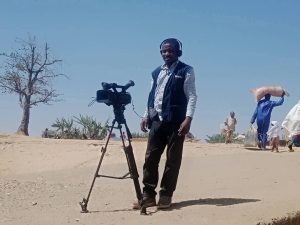
Climate journalism in Africa is also critical for amplifying local voices. Too often, global climate narratives are dominated by perspectives from outside the continent, which can overlook the lived experiences of African communities. Reporters who focus on climate issues can bring forward the stories of farmers adapting to changing seasons, coastal communities battling rising sea levels, and youth-led innovations in renewable energy and conservation. This ensures that African realities are not only represented but centered in global discussions.
Another important reason is accountability. African governments, regional bodies, and international partners are increasingly making climate-related commitments, from emissions reduction plans to adaptation funding. However, gaps often exist between promises and implementation. Climate journalism enables reporters to investigate how funds are used, whether policies are effective, and who benefits or suffers from environmental decisions. This strengthens transparency and encourages better governance.
Embracing climate journalism also opens space for solutions-oriented reporting. Africa is not only a continent vulnerable to climate change; it is also a hub of innovation. From solar energy expansion in rural communities to climate-smart agriculture and indigenous conservation practices, there are many stories of resilience and adaptation. Reporters who highlight these efforts can shift public perception from despair to possibility, while still acknowledging the seriousness of the crisis.

Finally, climate journalism builds stronger, more versatile reporters. It requires understanding science, policy, economics, and human stories all at once. By engaging with this beat, journalists develop skills that improve their overall reporting capacity and make their work more impactful across other areas.
In conclusion, African reporters have both a responsibility and an opportunity to embrace climate journalism. It is a field that reflects the realities on the ground, strengthens accountability, elevates local voices, and highlights solutions. Most importantly, it ensures that African experiences are properly documented and included in the global conversation on one of the defining challenges of our time.