By ibrahima yakubu
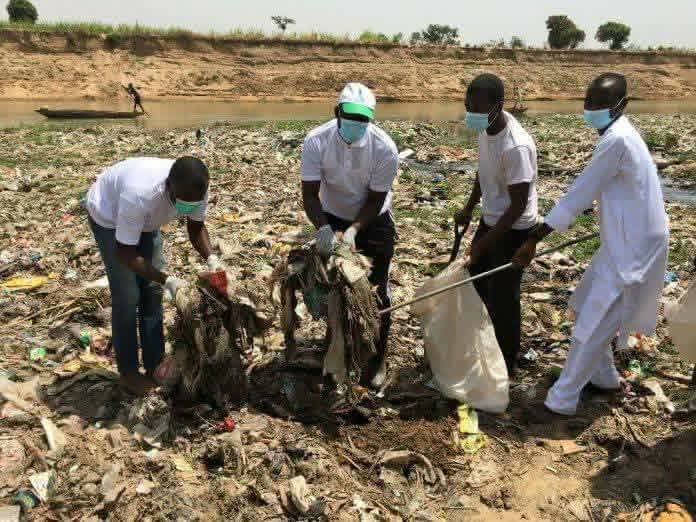
Recycling is one of the most effective ways to reduce waste, conserve natural resources, and protect the environment. However, in many communities around the world, both a strong recycling culture and functional recycling systems are still lacking. This gap continues to contribute significantly to environmental pollution and inefficient waste management.
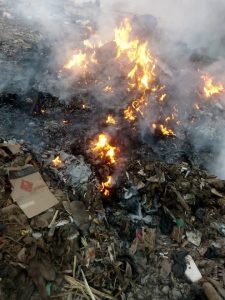
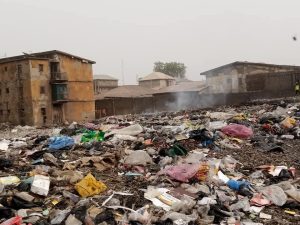
One of the major challenges is the absence of proper infrastructure. In many areas, there are no designated recycling centers, waste sorting facilities, or collection systems that separate recyclable materials such as plastic, glass, paper, and metal from general waste. As a result, most waste ends up in open dumpsites, landfills, or is burned, all of which pose serious environmental and health risks.
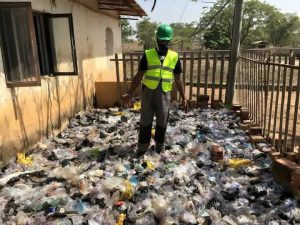
Another key issue is low public awareness and participation. Many people are not fully informed about what recycling is, how it works, or why it matters. Even where recycling bins are available, they are often misused due to lack of education or clear instructions. In some communities, recycling is not seen as a daily habit or responsibility, but rather as an optional or unfamiliar practice.
Economic and policy factors also play a role. In places where recycling systems exist, they are sometimes underfunded or poorly managed. Without strong government policies, incentives, or private sector investment, recycling programs struggle to operate effectively or expand. This leads to inconsistent services and low trust from the public.
The consequences are significant. Non-recycled waste contributes to clogged drainage systems, flooding, soil contamination, and marine pollution. It also increases the pressure on landfills and accelerates environmental degradation. Over time, this affects public health, agriculture, and local economies.
To address this issue, communities need a combined approach: improved infrastructure, stronger environmental education, supportive government policies, and active participation from individuals and businesses. Encouraging waste separation at source, investing in recycling facilities, and promoting awareness campaigns can gradually build a stronger recycling culture.
Ultimately, developing a recycling mindset is not just about waste management, it is about changing how societies value resources and environmental responsibility.
Ibrahima yakubu
Head of communication and strategies
A science and environment journalist
www.africanclimatereporters.com
ibrahimayakubu@gmail.com