By Ibrahima Yakubu
Across the world, many cities are beginning to reduce the number of cars on their streets. Some are banning vehicles from certain areas, while others are creating more space for bicycles, pedestrians, and public transportation. The goal is simple: to make cities cleaner, safer, and more livable for people.
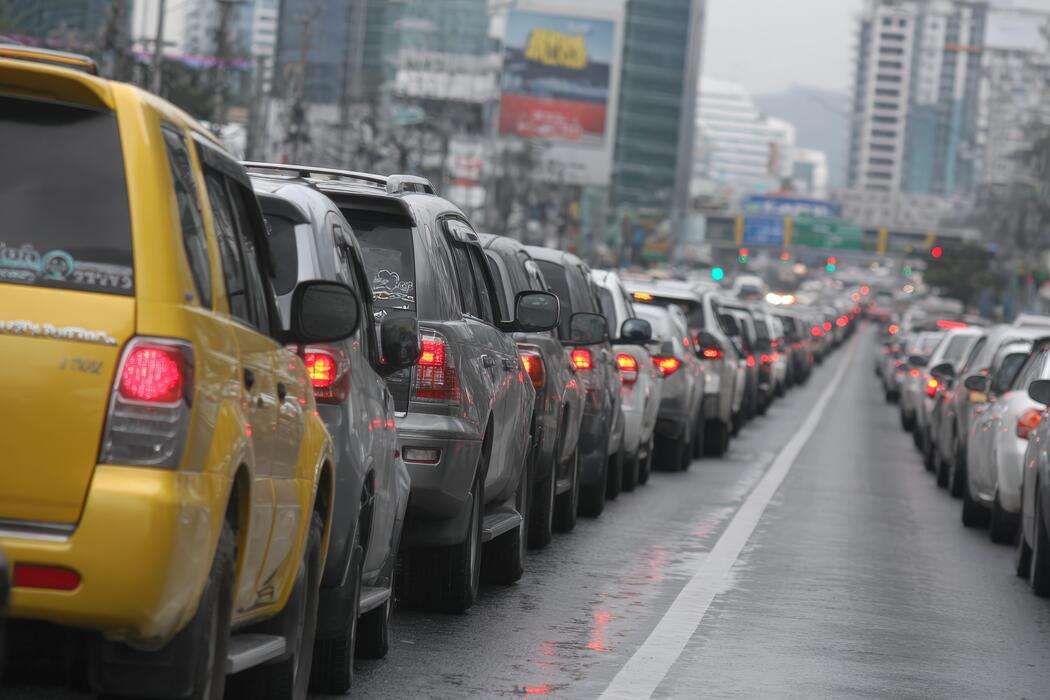
For decades, cities were designed mainly for cars. Roads became wider, parking spaces increased, and traffic dominated urban life. However, this car-centered development has created serious problems such as air pollution, traffic congestion, noise, and road accidents. According to recent reports, cities like Berlin, Paris, and Oslo are now experimenting with ways to reduce car dependency and encourage greener transport systems.
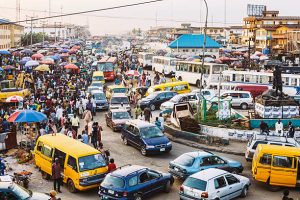
One major benefit of reducing cars in cities is cleaner air. Fewer vehicles mean lower emissions of harmful gases that contribute to climate change and health problems. In Oslo, traffic in the city center reportedly dropped significantly after car restrictions were introduced, leading to more walking and cycling.
Clean air improves public health and creates a more comfortable environment for residents.
Another important result is safer and quieter streets. When fewer cars move through city centers, pedestrians and cyclists feel safer. Children can walk to school more easily, and communities become more connected. Streets once filled with traffic can be transformed into parks, cafés, playgrounds, and public gathering spaces. Cities become places for people rather than machines.
Reducing cars also encourages the development of efficient public transportation. Governments are forced to invest more in buses, trains, cycling lanes, and walkways. Paris, for example, has promoted the idea of the “15-minute city,” where people can reach schools, shops, hospitals, and workplaces within a short walk or bicycle ride.
This reduces stress, saves time, and improves quality of life.
However, removing cars completely is not easy. Many people still depend on cars for work, business, or mobility. Critics argue that sudden bans may hurt businesses or inconvenience commuters. Experts therefore suggest that cities should provide attractive alternatives rather than simply banning vehicles. Reliable public transport and good urban planning are necessary for success.
In conclusion, when cities kick out cars, the results can be positive: cleaner environments, healthier citizens, safer roads, and stronger communities. Although challenges remain, many cities are proving that urban life does not have to revolve around automobiles. The future city may be one where people, not cars, come first.
Ibrahima yakubu
Head of communication and strategies
A science and environment journalist
African climate reporters
www.africanclimatereporters.com
ibrahimayakubu@gmail.com
2347038967344