By Ibrahima Yakubu
Climate change is often discussed in terms of rising temperatures, floods, droughts, and food insecurity. But there is a quieter crisis unfolding alongside it, one that affects millions of girls and women every month: the impact of climate change on menstrual health.
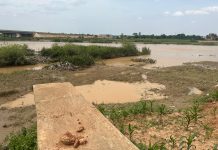
When extreme weather events strike, they rarely do so in isolation. Floods destroy homes, schools, and sanitation systems. Droughts reduce access to clean water. Displacement forces families into temporary shelters where privacy, hygiene, and dignity become difficult to maintain. In these conditions, managing menstruation safely becomes a serious challenge rather than a routine aspect of health.
For many girls and women, access to menstrual hygiene products is not guaranteed even in stable conditions. Climate-related disasters make it worse. During floods, supply chains break down, meaning pads, tampons, or reusable products may not be available in local shops. In displacement camps or overcrowded shelters, relief supplies often prioritize food, water, and medicine, while menstrual products are overlooked or understocked.

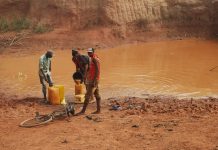
Water scarcity during droughts adds another layer of difficulty. Menstrual hygiene requires clean water for washing hands, reusable products, and maintaining personal cleanliness. When water is limited, girls may be forced to reuse unsafe materials or go without proper hygiene, increasing the risk of infections and long-term health complications.
Privacy is another overlooked issue. Safe and dignified spaces for changing menstrual materials are often unavailable in emergency settings. Without private toilets or secure washing areas, many girls miss school, avoid public spaces, or experience shame and anxiety during their periods. In some cases, this contributes to school dropout rates among adolescent girls in crisis-affected regions.
The consequences go beyond physical health. Menstrual challenges in climate emergencies affect education, mental well-being, and social participation. When girls cannot manage their periods safely, they are more likely to miss school days, fall behind academically, or disengage from learning entirely. Over time, this reinforces gender inequality in already vulnerable communities.
Despite its importance, menstrual health is rarely included in climate change planning or disaster response strategies. It is often treated as a secondary concern rather than a basic human need. This gap leaves millions of women and girls navigating climate crises without the resources they need to maintain dignity and health.
The Way Forward
Addressing this crisis requires integrating menstrual health into climate adaptation and emergency response systems. First, governments and humanitarian agencies must ensure that menstrual hygiene products are included in all emergency relief kits, alongside food, water, and medicine. These supplies should be culturally appropriate, affordable, and accessible even in hard-to-reach communities.
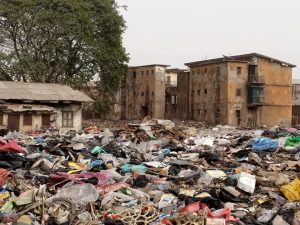
Second, water, sanitation, and hygiene (WASH) infrastructure in displacement camps and flood-prone areas must be redesigned with menstrual needs in mind. This includes private, safe, and well-lit toilets, access to clean water, and proper waste disposal systems for sanitary materials. These are not luxuries—they are essential services for dignity and health.
Third, education and awareness programs should be strengthened at community level. Girls and women need accurate information on safe menstrual hygiene practices during emergencies, while boys and men should also be included to reduce stigma and encourage supportive environments.
Fourth, local production and distribution of reusable menstrual products should be promoted, especially in climate-vulnerable regions. Supporting women-led enterprises that produce sanitary pads or menstrual kits can also strengthen local economies while improving resilience during disasters.
Finally, climate policies must recognize gender-specific vulnerabilities. This means including menstrual health indicators in climate resilience planning, funding gender-responsive adaptation programs, and ensuring that women are part of decision-making processes in disaster preparedness and response.
The climate crisis is not gender-neutral. It deepens existing inequalities and creates new ones in unexpected places, including the most personal aspects of health. Recognizing the link between climate change and menstrual health is not just about hygiene; it is about dignity, equity, and survival.
If climate solutions are to be truly inclusive, they must ensure that no girl is left without the means to manage her body safely, no matter the weather.