By Ibrahima Yakubu
Habitat destruction is one of the greatest environmental problems facing the world today. It occurs when natural environments such as forests, rivers, wetlands, and grasslands are damaged or completely destroyed by human activities. As humans continue to expand cities, industries, and farms, many plants and animals lose their homes and struggle to survive.
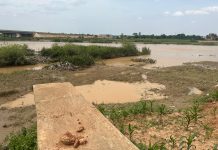
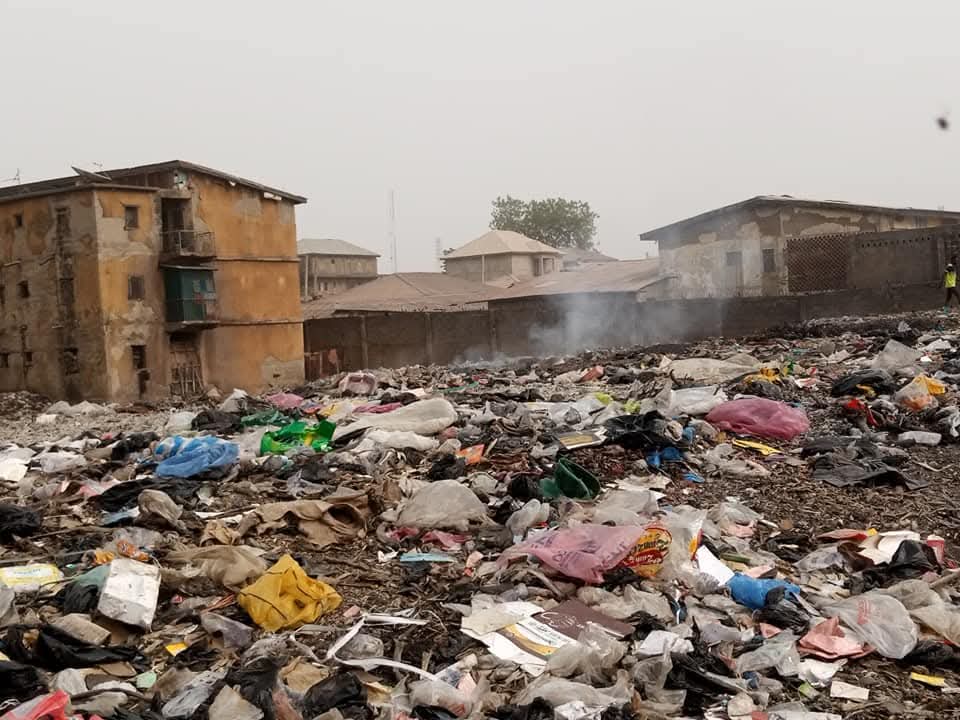
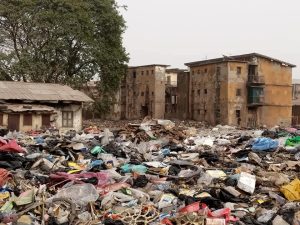
One major cause of habitat destruction is deforestation. Trees are cut down for farming, construction, firewood, and industrial purposes. When forests are removed, animals lose shelter and food sources, while the soil becomes exposed to erosion. Another harmful activity is pollution. Waste from factories, vehicles, and households contaminates the air, water, and land, making the environment unsafe for living organisms.
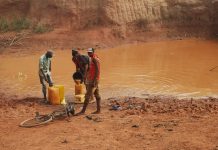
Mining and urbanization also contribute greatly to habitat destruction. Large areas of land are cleared to build roads, houses, and industries. These developments disturb ecosystems and reduce biodiversity. In addition, bush burning and overgrazing destroy vegetation and make the land less fertile.
The effects of habitat destruction are serious. Many species of animals and plants become endangered or extinct. Climate change becomes worse because fewer trees are available to absorb carbon dioxide. Flooding, desertification, and poor soil quality also increase, affecting human life and agriculture.
There are several solutions to habitat destruction. First, governments should enforce environmental laws to prevent illegal logging, pollution, and harmful mining activities. Tree planting and afforestation programs should be encouraged to replace lost forests and improve air quality. People should also practice proper waste disposal and recycling to reduce pollution in the environment.
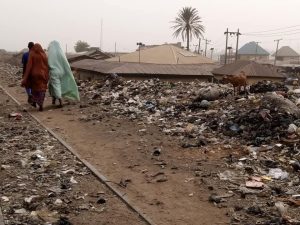
Another important solution is environmental education. Schools and communities should teach people the importance of protecting nature and conserving wildlife. Farmers can adopt modern farming methods that protect the soil and reduce land degradation. In addition, the use of renewable energy sources such as solar and wind energy can reduce dependence on activities that harm the environment.
Communities and individuals also have important roles to play. People should avoid bush burning, reduce excessive cutting of trees, and support conservation programs. Protected areas such as national parks and forest reserves should be maintained to preserve habitats for plants and animals.

In conclusion, habitat destruction caused by human activities is a major threat to nature and human survival. However, through proper laws, environmental awareness, conservation efforts, and responsible human behavior, the environment can be protected for future