By Ibrahima Yakubu
Climate change is often presented in headlines as a story of rising temperatures, floods, droughts, and environmental disasters. While these narratives are important, they frequently miss a critical dimension of the crisis: the people most affected are often the least visible in climate reporting.
Women, children, and rural communities—especially in vulnerable regions—continue to bear the greatest burden of climate impacts, yet their experiences are frequently underreported or completely absent from mainstream climate journalism.
Invisible Faces of a Visible Crisis
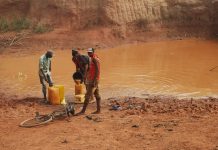
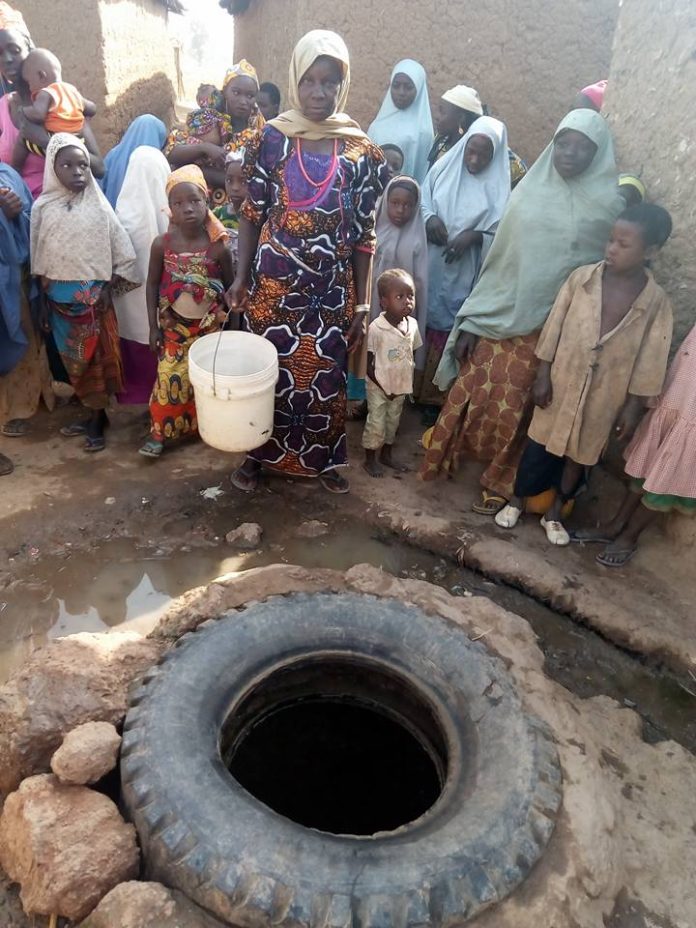
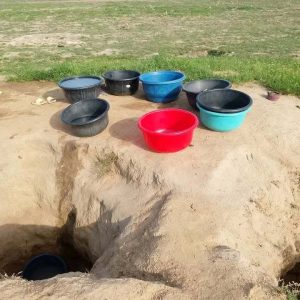
Climate disasters do not affect everyone equally. In many rural communities, women are responsible for securing water, food, and energy for their households. When droughts occur or water sources dry up, they are the first to feel the pressure, often walking longer distances to meet basic needs.
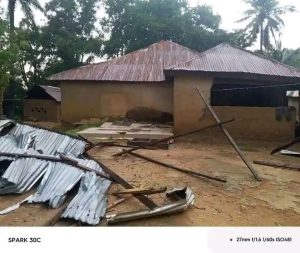
Children are equally vulnerable. Floods destroy schools, disrupt education, and expose them to health risks and displacement. Yet, their experiences are rarely highlighted as central stories in climate coverage.
Rural communities, particularly those dependent on farming and livestock, face the direct consequences of environmental degradation. However, their voices are often filtered through official reports rather than told through lived experiences.
The Gender Dimension of Climate Change
Women are disproportionately affected by climate change, but their roles in climate adaptation are often overlooked. In many agricultural communities, women play a key role in food production, small-scale farming, and household survival strategies.
When climate shocks occur, they face increased workloads, reduced income opportunities, and heightened vulnerability to poverty. Despite this, climate journalism rarely focuses on women as active agents of resilience and innovation.
Instead, they are often portrayed only as victims, without exploring their leadership roles in community survival and adaptation.
Children: The Forgotten Generation
Children represent one of the most affected yet least represented groups in climate storytelling. Extreme weather events disrupt their education and expose them to long-term psychological and physical harm.
In displacement situations caused by floods or droughts, children often face unstable living conditions, malnutrition, and lack of access to basic services. However, their voices are rarely included in environmental reporting, leaving a major gap in understanding the full human cost of climate change.
Rural Communities at the Margins of Climate Narratives
Rural populations are on the frontlines of climate change, yet they are often underrepresented in national and international media coverage. Their struggles with desertification, crop failure, water scarcity, and displacement are frequently summarized rather than deeply explored.
This lack of representation leads to incomplete storytelling and weakens public understanding of how climate change is reshaping livelihoods and survival strategies.
Why These Voices Are Missing
Several factors contribute to this inclusion gap in climate journalism. Urban-centered media structures often prioritize stories from cities, where access is easier and news production is faster.
There is also limited investment in grassroots reporting, where journalists spend time in rural communities documenting lived experiences. In addition, language barriers and lack of local correspondents further reduce the visibility of rural voices.
The Responsibility of Climate Journalists
Climate journalists have a responsibility to move beyond statistics and official statements and focus on human-centered storytelling. This means actively seeking out voices that are often excluded from environmental narratives.
Journalists should:
- Prioritize field reporting in rural and vulnerable communities
- Highlight the experiences of women, children, and marginalized groups
- Use storytelling approaches that reflect lived realities, not just data
- Collaborate with community reporters and local voices
- Ensure climate stories reflect both vulnerability and resilience
Conclusion
Climate change is not only an environmental issue—it is a deeply human one. When women, children, and rural communities are left out of climate news, the story remains incomplete.
Inclusive climate journalism is not just about fairness; it is about accuracy. To understand the true impact of climate change, media must ensure that no voice is left behind.