By Maryam Diallo Dakar
Eco-Friendly Stove Project Transforms Lives of Women in Kaduna Community
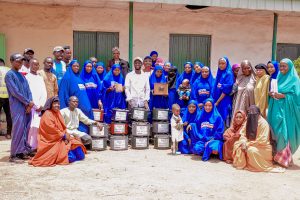
According to Halliru Ahmad Khalifa, Executive Director of the Transparency and Accountability in Totality (TnT) Initiative under the Transparency Center Africa Hub, Kaduna State, Northwestern Nigeria, the Eco-Friendly Cooking Stove Training Programme was designed to equip young people, particularly women, with practical skills in the production and promotion of locally fabricated clean cooking stoves.
The programme sought to create sustainable livelihood opportunities by introducing participants to the economic potential of manufacturing, marketing, and selling environmentally friendly cooking stoves. In addition, beneficiaries were trained using a Training of Trainers (ToT) model to enable them transfer acquired knowledge and skills to other members of their communities, thereby ensuring wider impact and sustainability.
Rigasa Community in Igabi Local Government Area of Kaduna State was deliberately selected for the intervention due to its vulnerability to environmental challenges, heavy reliance on firewood and traditional cooking methods, and the pressing need for economic empowerment opportunities, particularly for women and young people. To further strengthen household economic resilience, the programme adopted an inclusive approach by encouraging the participation of both husbands and wives.
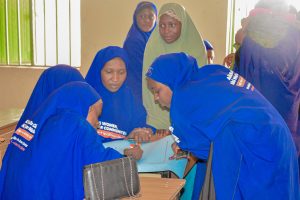
Since its implementation, the initiative has recorded significant outcomes, positively impacting the lives of many women within the community. Several beneficiaries have not only embraced the technology but are also taking steps to expand their enterprises and create additional economic opportunities.
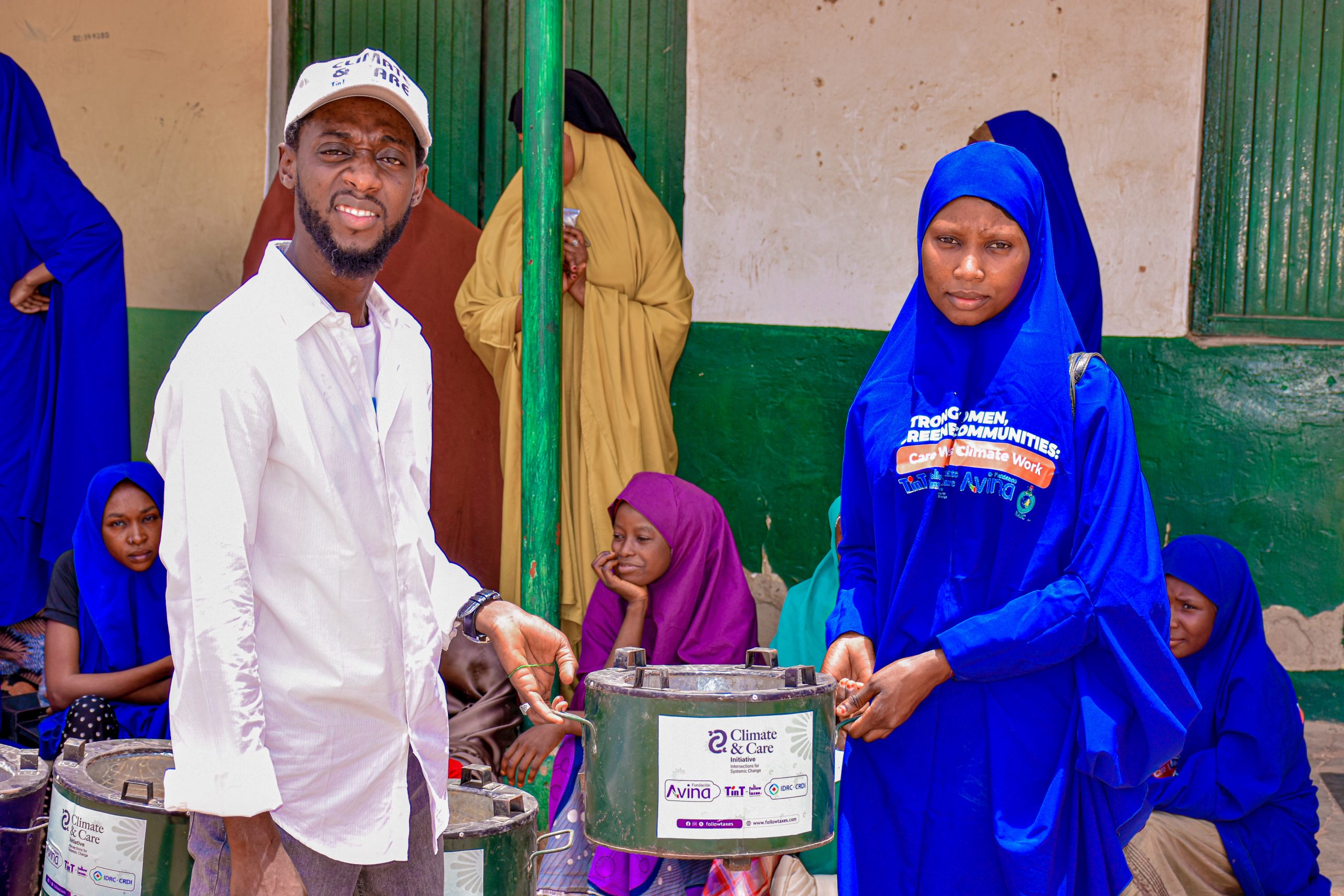
One notable beneficiary is Hafsat Mukhtar, an 18-year-old resident of Hayin Gada, Rigasa. Prior to participating in the programme, Hafsat faced numerous socio-economic challenges and had limited opportunities for financial independence. Through the training, she acquired specialized skills in converting scrap metal and other recyclable materials into modern, energy-efficient, and environmentally friendly cooking stoves.
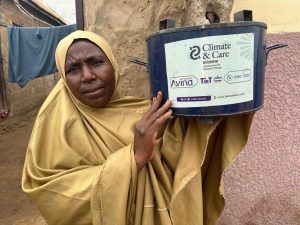
Reflecting on her experience, Hafsat explained that her interest in the programme was sparked by observing how discarded materials were transformed into valuable products. Witnessing this process helped her appreciate the environmental and economic significance of recycling and inspired her to pursue the skill professionally.
Operating in a field traditionally perceived as male-dominated, Hafsat demonstrated remarkable determination and resilience. She noted that while she initially believed the work was reserved for men, the training broadened her perspective and revealed the immense opportunities available within the sector. Today, she stands as an example of how women can successfully engage in technical and manufacturing professions when provided with the right support and opportunities.
According to Hafsat, the skills she acquired have significantly improved her confidence, productivity, and economic prospects. She now actively advocates for greater female participation in technical and vocational trades, emphasizing their potential to reduce poverty, promote environmental sustainability, and contribute to climate change mitigation efforts.
A key feature of the stove production process involves the use of a mixture of clay soil and sand as an insulating material. This component helps retain heat, improves fuel efficiency, and reduces the amount of firewood required for cooking, thereby lowering household energy costs and environmental degradation.
Beyond her personal achievements, Hafsat has emerged as a community resource person. She has successfully trained more than 30 women in stove production and continues to mentor others interested in acquiring the skill. Her efforts are contributing to the creation of a growing network of women entrepreneurs equipped with practical skills for sustainable income generation.
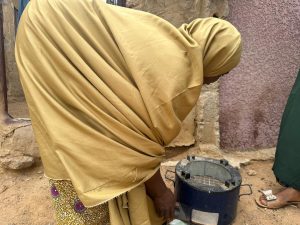
Despite these successes, Hafsat continues to face challenges that limit the expansion of her enterprise, including inadequate access to finance, insufficient production equipment, and limited institutional support. Addressing these constraints would enable her and other beneficiaries to scale up production and maximize the economic and environmental benefits of the initiative.
Community members have expressed admiration for Hafsat’s achievements and commitment to empowering others. Her mother, Binta Yanaya, praised her dedication and highlighted the positive changes the project has brought to local households. She recalled that families previously struggled with excessive smoke from traditional firewood stoves, but the adoption of eco-friendly stoves has significantly improved cooking conditions and reduced health risks associated with indoor air pollution.
Looking to the future, Hafsat envisions a society where more rural women have access to skills, resources, and opportunities that enable them to become economically independent. Her journey demonstrates the transformative power of vocational training, innovation, and women’s participation in science, technology, and sustainable enterprise development.
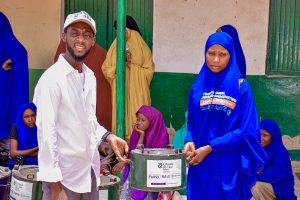
The success of Hafsat Mukhtar and other beneficiaries underscores the importance of investing in community-driven solutions that simultaneously address environmental sustainability, economic empowerment, and social inclusion. Through initiatives such as the Eco-Friendly Cooking Stove Training Programme, women are not only improving their livelihoods but are also playing a critical role in advancing climate-resilient and sustainable communities.