By ibrahima yakubu
Environmental refugees, also known as climate refugees, are people forced to leave their homes because of environmental degradation, natural disasters, and climate change impacts. Unlike those fleeing war or persecution, environmental refugees are displaced by floods, droughts, desertification, coastal erosion, and rising sea levels.
Across the world , including in Nigeria , climate change is worsening living conditions. Northern communities face desert encroachment and prolonged drought, while coastal states experience frequent flooding and erosion. These disasters destroy homes, farmlands, water sources, and livelihoods, pushing families into displacement.

Environmental displacement is becoming one of the most urgent humanitarian and security challenges in Nigeria. Across the country, thousands of families are being forced to leave their homes due to floods, desertification, erosion, drought, and other climate-related disasters.
Flooding in Coastal and Riverine Areas
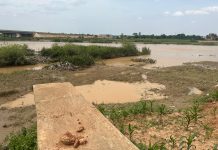
In recent years, massive flooding along the River Niger and River Benue has displaced millions of people. The 2022 floods, described as one of the worst in decades, affected several states including Kogi, Anambra, Bayelsa, and Delta. Homes, schools, hospitals, and farmlands were destroyed, forcing families into temporary camps.
Communities along the Niger Delta region also face coastal erosion and rising sea levels, which threaten fishing livelihoods and settlements.
Desertification and Drought in Northern Nigeria
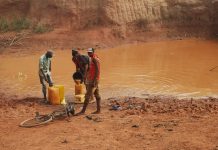
In northern states such as Borno, Yobe, Sokoto, and parts of Katsina, desert encroachment and prolonged drought are reducing arable land. The shrinking of Lake Chad has devastated farming and fishing communities, contributing to poverty and migration.
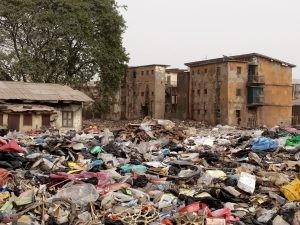
As land becomes scarce, competition between farmers and herders increases, sometimes escalating into violent conflict. Many rural dwellers migrate to cities like Kano, Kaduna, Abuja, and Lagos in search of better opportunities, adding pressure to already overstretched urban infrastructure.

The Legal Gap
Nigeria does not yet have a specific legal framework that recognizes environmental refugees. While internally displaced persons (IDPs) are supported through humanitarian programs, environmental displacement is often treated as temporary disaster relief rather than a long-term development and policy issue.
Solutions for the Nigerian Context
To address environmental displacement effectively, Nigeria must adopt both preventive and responsive strategies:
1. Strengthen Flood Control Measures
- Invest in dams and drainage systems
- Improve urban planning
- Enforce building regulations in flood-prone areas
- Strengthen early warning systems
2. Combat Desertification
- Expand afforestation and reforestation programs
- Promote climate-smart agriculture
- Support irrigation farming
- Revive and support regional initiatives aimed at restoring degraded land

3. Develop a National Policy on Environmental Displacement
The federal government should develop a clear policy framework that:
- Recognizes environmental displacement
- Provides structured relocation and resettlement programs
- Ensures access to housing, education, and healthcare

4. Climate Financing and Accountability
Nigeria should maximize access to global climate funds while ensuring transparency and accountability in implementation. Local climate initiatives at state and community levels must be strengthened.
5. Community-Based Peacebuilding
Environmental stress often fuels conflict. Investing in dialogue platforms between farmers and herders, and strengthening community-based conflict resolution, can reduce violence linked to resource scarcity.
Conclusion
Environmental refugees in Nigeria are not just victims of natural disasters — they are victims of climate vulnerability, poor environmental management, and inadequate policy planning. If urgent and coordinated action is not taken, environmental displacement may worsen poverty, insecurity, and social instability.
Addressing the Nigerian situation requires political will, sustainable environmental policies, and strong collaboration between federal, state, and local governments.