By Ibrahima Yakubu
For generations, nature has followed a reliable schedule. Birds migrated with the changing seasons, flowers bloomed at predictable times, and bees emerged when plants were ready for pollination.
This delicate timing, developed over thousands of years, has helped ecosystems thrive. Today, however, that natural calendar is increasingly out of sync.
Across the world, scientists are observing unusual changes in seasonal patterns. Warmer temperatures are causing some plants to bloom earlier than normal, while certain bird species are arriving at their breeding grounds either too early or too late. Bees and other pollinators are also responding differently to shifting weather conditions, creating a mismatch between flowering plants and the insects that depend on them.
The consequences extend far beyond wildlife. Pollination is essential for many crops that humans rely on for food. When bees and flowering plants are no longer synchronized, agricultural productivity can suffer. Farmers are already reporting changes in planting and harvesting schedules as they adapt to unpredictable weather patterns.

Climate change is the primary driver behind these disruptions. Rising global temperatures, changing rainfall patterns, and more frequent extreme weather events are altering the environmental cues that plants and animals use to determine when to grow, migrate, reproduce, or hibernate.
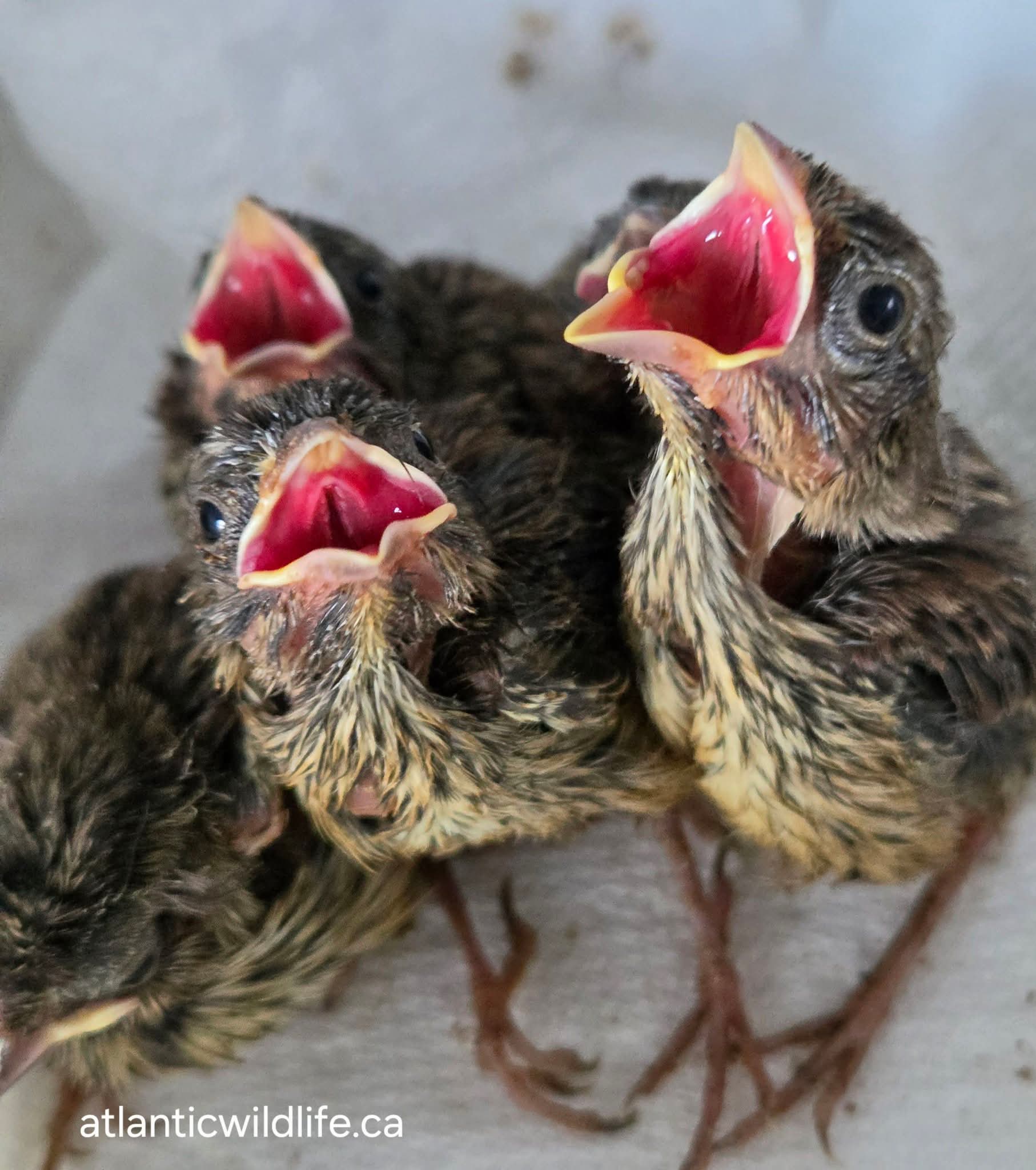
In some regions, birds are nesting weeks earlier than they did just a few decades ago. Yet the insects they feed their young may not be available at the same time, reducing survival rates for chicks. Similarly, flowers that bloom too early can face damage from unexpected cold snaps, leaving pollinators with fewer food sources.
These changes may seem subtle at first glance, but together they signal a profound transformation of Earth’s ecosystems. Nature’s calendar has always been one of the planet’s most dependable systems.
As climate change accelerates, that system is becoming increasingly unpredictable.
Solutions: Restoring Balance to Nature’s Calendar
While the challenges are serious, experts say there are practical steps that can help reduce the impact of climate change and protect ecosystems.
First, governments and industries must accelerate efforts to reduce greenhouse gas emissions by investing in renewable energy sources such as solar and wind power. Reducing dependence on fossil fuels can slow global warming and help stabilize seasonal patterns.
Second, protecting and restoring natural habitats can give wildlife a better chance to adapt. Forests, wetlands, and grasslands provide essential resources for birds, bees, and other species affected by changing seasons.
Third, farmers can adopt climate-smart agricultural practices, including planting diverse crops, conserving soil moisture, and creating pollinator-friendly spaces around farms. These measures can strengthen food systems while supporting biodiversity.
Communities also have a role to play. Planting native trees and flowers, reducing waste, conserving energy, and supporting environmental conservation projects can make a meaningful difference at the local level.
Scientists are continuing to monitor seasonal changes through research and technology. Better data can help governments, conservation groups, and communities respond more effectively to emerging environmental threats.
A Race Against Time
The warning signs are already visible. Seasons are shifting, natural rhythms are breaking down, and the intricate connections that sustain life are under growing pressure. Yet there is still an opportunity to act.
By reducing emissions, protecting ecosystems, and embracing sustainable practices, societies can help restore balance to nature’s calendar. The future of birds, bees, and countless other species depends on decisions being made today. The challenge is immense, but so is humanity’s capacity to respond.
Nature’s calendar may be under strain, but with collective action, it does not have to fall apart completely.
Ibrahima yakubu
Head of communication and strategies
A science and environment journalist
African climate reporters
www.africanclimatereporters.com
ibrahimayakubu@gmail.com
2347038967344