By Maryam Diallo
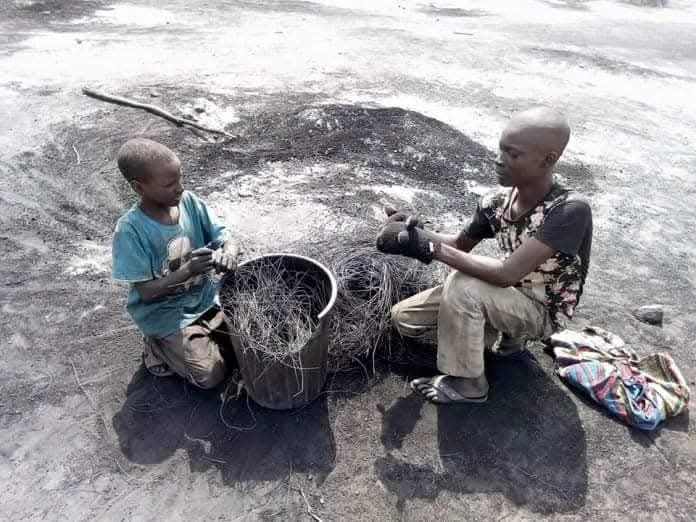
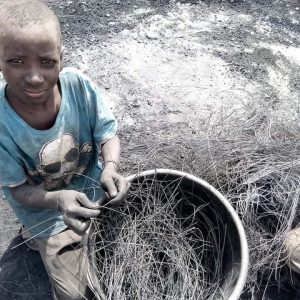
Some children and youths in various communities of northern Nigeria are increasingly engaging in the burning of used tyres to extract metal cables for sale, a practice that is drawing growing concern from environmental experts due to its severe health and ecological impacts.
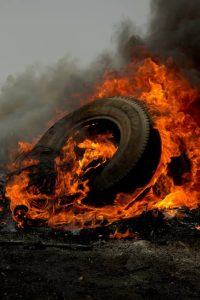
Findings from a survey conducted by the Head of Communication and Strategies at African Climate Reporters, Comrade Ibrahima Yakubu, indicate that the activity has become a survival strategy among some young people in informal waste disposal sites.
According to him, the practice involves the burning of waste tyres to retrieve steel wires, which are later sold for income generation
Some of the youths reveal that they sales this wires-cables to venders in the market which women used at home during cooking, and some it’s through This business they survived
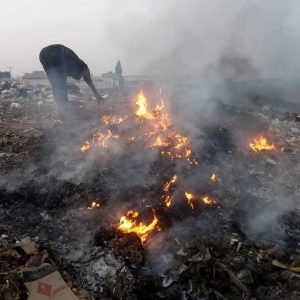
One of the youth real name withheld says, he doesn’t know the implications of the smoke to health and environment, but promises to stop this attitude immediately
He said,he will stop burning waste tyres to halt polluting the sourounding environment
However, scientists working with African climate reporters and other experts warn that this method exposes both participants and surrounding communities to highly toxic emissions.
Yakubu noted that burning tyres releases a complex mixture of hazardous pollutants and fine particulate matter capable of penetrating deep into the respiratory system.
He further explained that vulnerable groups—including children, fetuses, nursing infants, the elderly, asthmatics, and individuals with compromised immune systems, are at heightened risk of adverse health effects. Exposure to fine particulate matter has been linked to aggravated asthma conditions and increased risk of cardiovascular diseases.
Tyres, experts emphasize, are not designed for combustion. Their composition includes hazardous substances such as extender oils derived from benzene, styrene (a benzene derivative), and 1,3-butadiene,chemicals associated with serious health risks, including suspected carcinogenicity. In addition, tyre-derived emissions may contain residual metallic wires that are difficult to completely remove during processing, further compounding environmental contamination.

Yakubu, who is also a science and environmental lecturer at the African Institute of Waste Management and Environmental Studies, warned that toxins attached to fine particulate matter can be inhaled deep into the lungs, potentially leading to chronic respiratory illnesses over time.
He called on relevant stakeholders, including government agencies, civil society organizations, and community leaders, to intensify sustained public awareness
He called on parents to always monitor the movement of their children