By Aliyu Bala Gerengi, Gombe
As the world commemorates World Environment Day 2026 under the theme “Climate Action,” stakeholders in Gombe State have renewed calls for collective efforts to address climate change and environmental degradation through awareness creation, environmental conservation, and sustainable development initiatives.
In line with the global observance, Tracka organized a climate outreach programme for students of Graceland Royal Academy, Tumfure, in Akko Local Government Area of Gombe State.
The outreach aimed to educate students on climate change, its causes and effects, as well as the role young people can play in protecting the environment.
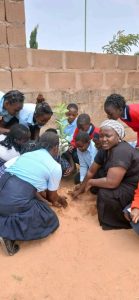
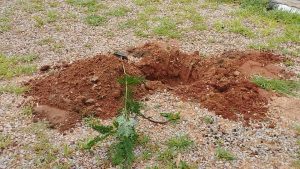
The programme featured interactive sessions on environmental conservation, practical tree-planting exercises, and demonstrations on environmental protection techniques designed to encourage students to become ambassadors of climate action within their communities.
Speaking during the event, facilitators emphasized that climate change is no longer a distant threat but a present reality affecting livelihoods, food security, public health, and economic development across the globe.
They noted that rising temperatures, flooding, drought, desertification, land degradation, and irregular rainfall patterns continue to pose serious challenges, particularly in states within Nigeria’s semi-arid region.
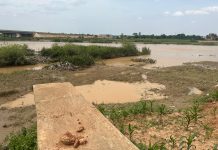
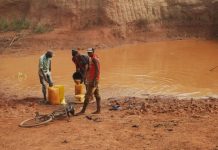
For Gombe State, environmental challenges such as desert encroachment, soil erosion, declining vegetation cover, and climate variability have remained major concerns over the years.
However, stakeholders noted that the state has made remarkable progress in addressing these challenges through strategic environmental policies and climate resilience programmes.
Central to these efforts is the Gombe Goes Green Initiative, popularly known as the 3G Project, launched by Governor Muhammadu Inuwa Yahaya in 2019. The initiative has resulted in the planting of more than five million trees across the state, earning Gombe recognition as one of Nigeria’s leading states in environmental restoration and climate change mitigation.
Beyond tree planting, the project has promoted ecological restoration, environmental education, biodiversity conservation, job creation, and community participation, while mobilizing traditional institutions, youth groups, women’s associations, schools, civil society organizations, and development partners to support environmental protection efforts.
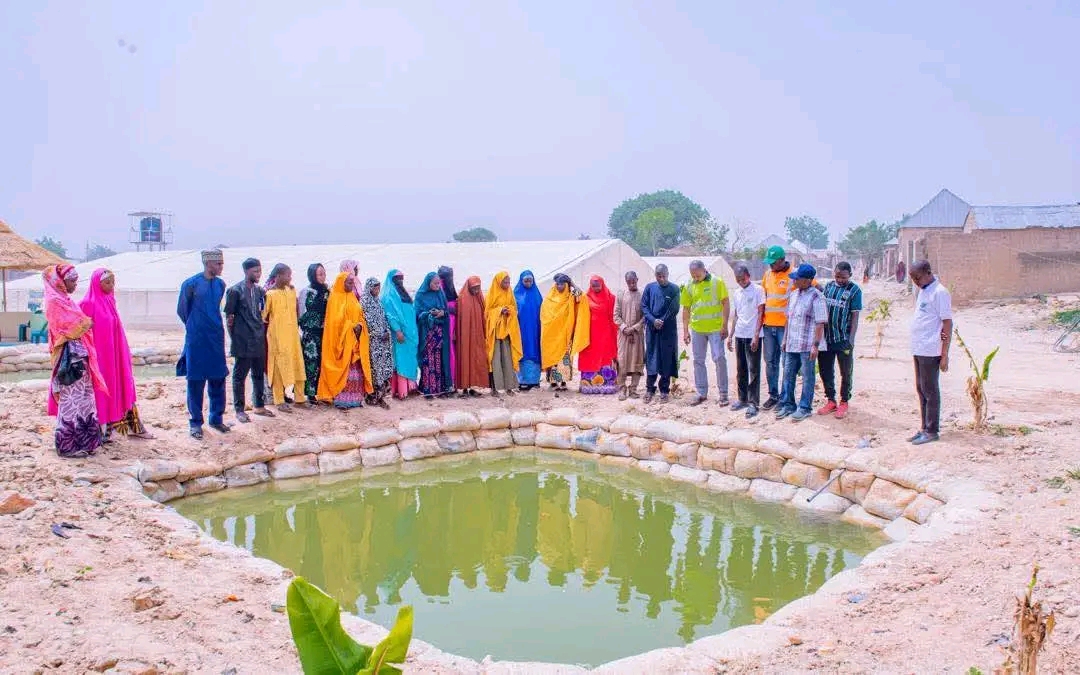
The state has also strengthened erosion control and land restoration through partnerships with intervention programmes such as the Agro-Climatic Resilience in Semi-Arid Landscapes Project (ACReSAL) and the Nigeria Erosion and Watershed Management Project (NEWMAP).
More than 1,000 hectares of degraded land have reportedly been restored, while major erosion sites across the state have been brought under control.
In the area of waste management, stakeholders highlighted the conversion of a former dumpsite into a waste-to-wealth facility under the ACReSAL Project, as well as the establishment of more than 200 waste collection centres across the state to improve sanitation and encourage responsible waste disposal practices.
Efforts are also being made to reduce pressure on forest resources through the distribution of energy-efficient cookstoves to households, helping to reduce firewood consumption and carbon emissions.
Participants at the World Environment Day activities stressed that while government interventions have yielded significant results, tackling climate change requires the active participation of all citizens.
They urged residents to plant and protect trees, reduce waste, conserve energy, and adopt environmentally responsible practices.
The event concluded with a call for stronger implementation of climate policies and greater public involvement in environmental protection, as stakeholders expressed optimism that sustained collaboration among government, development partners, traditional institutions, civil society organizations, schools, and citizens would help build a greener, healthier, and more resilient Gombe State.
End