By Maryam Mohammad Ali
After Qurbani in Kaduna: Blood, offal and animal remains from Eid al-Adha sacrifices flow into open drains, clogging channels and seeping toward local water sources as the rains begin.
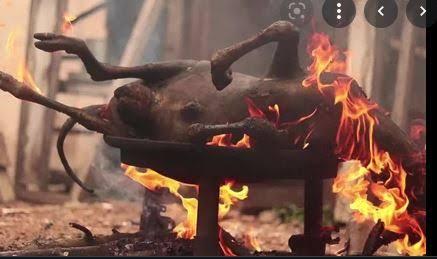
Every Eid al-Adha in Kaduna, the morning begins with prayer and ends with the sound of animals being slaughtered in homes, open spaces and at makeshift sites across the city. Qurbani the sacrifice of sheep, goats and cattle is the heart of the celebration. The meat is divided and shared: one portion for the family, one for neighbors, and one for those in need. It is a practice rooted in faith, charity and community.
But alongside the sharing comes a volume of waste that the city feels for days.
A single cow yields liters of blood. Sheep and goats produce less, but multiplied across thousands of households, the total is substantial. Then there are the intestines, stomach contents, hooves, hides that are not processed and other remains that are not eaten. In two days, Kaduna generates tens of thousands of kilograms of organic material from Qurbani alone. Unlike household trash, this waste is wet, heavy and decomposes quickly, especially in heat above 35°C.
Right now, the way it is handled follows a familiar pattern. Some remains are placed in plastic bags and left at roadside corners, hoping for collection that often comes too late. Others are rinsed directly into open gutters with buckets of water, sending blood and tissue downstream. In more crowded neighborhoods, waste is dumped on vacant plots or near drainage channels. Within hours, the smell settles over the streets. Flies gather. Stray dogs pull at the bags. By the next morning, the drains in low lying areas are already backing up.
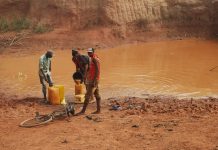
The timing of Eid this year makes the problem more visible. The rains have started. The ground is still dry in places, so when a downpour hits, water runs fast across the pavement, picking up waste from the streets and carrying it into culverts, streams and shallow wells. In parts of the city where boreholes are shallow, that runoff seeps into the same water people use for washing, cleaning and sometimes drinking. The color changes. The smell lingers.
Heat accelerates everything. At temperatures above 35°C, decomposition moves quickly. Blood turns dark and sticky within hours. Intestinal contents release gases and bacteria as they break down. What starts as fresh waste in the morning can become a source of foul odor and contamination by evening. In neighborhoods with poor drainage, the combination of heat, rain and organic matter means standing water that does not drain for days.
You can see the effects in the streets without needing data. Dark stains on the pavement mark where animals were slaughtered. Plastic bags filled with remains pile up at junctions. Residents sweep water away from their doorsteps as it rises. In low lying areas, the water that enters homes carries the smell of the sacrifice with it. Children play nearby. Market traders cover their goods. The city keeps moving, but the waste remains.
The scale is what makes Eid different from any other day. On a normal day, abattoirs manage animal waste through controlled channels. During Eid, slaughter happens in homes and open spaces across every ward, all within the same 48-hour window. The drainage system, built for rain and daily sewage, is not designed to absorb this sudden surge of biological material. The result is predictable: clogged channels, slow-moving water and waste that sits long enough to decay in place.
This is not about intent. Most people do not want waste in the streets. But Qurbani happens at scale, in a short time and without a system built to handle the volume at the point of sacrifice.
The animals are slaughtered, the meat is shared and the parts that are not used become a burden the city carries until the next rain washes them away or until they rot in place.
By the end of Eid, the celebration is over, but the remains are still in the gutters, in the drains and along the riverbanks. The smell fades slowly. The stains on the pavement last longer. And the water, once the rains move it downstream, carries the residue of Qurbani with it into the wider environment.
Maryam Muhammad Ali
Reporting for African Climate
Reporters