Maryam Diallo Dakar
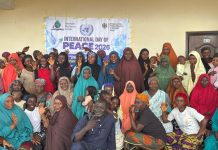
As part of the ongoing house-to-house tobacco control campaign, the Njir Hoba Foundation, in collaboration with Sabon Gari and Kudendah communities, paid a courtesy visit to the palace of the Sarkin Kudendah, Gabriel Bagudu Galadima, to present a community-driven sanitation and tree-planting innovation aimed at improving public health and engaging unemployed youths.
The visit, which took place on 28th January in Kudendah under Gwagwada District of Chikun Local Government Area, focused on sharing innovative solutions designed to keep the environment clean, protect the climate, and provide meaningful engagement for jobless youths- thereby reducing frustration, smoking, and substance misuse.
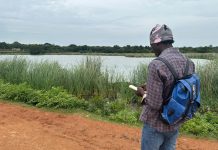
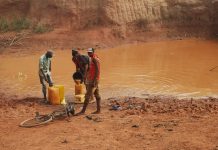
Organisers explained that indiscriminate dumping of refuse, plastic waste, and leather materials has contributed to environmental pollution, blocked drainages, mosquito breeding, cholera outbreaks, and damage to aquatic life in local rivers. In response, the group proposed a structured sanitation system alongside a tree-planting initiative to restore the environment and improve air quality.
Under the sanitation plan, each household would contribute ₦500 monthly, with refuse placed in front of each compound every Saturday for collection. Selected unemployed youths would be engaged to clear the waste and dispose of it at designated locations for evacuation by the local government. For security reasons, no youth would be allowed to enter households during the exercise. Companies, businesses, and residents are expected to support the initiative through collective participation.
Speaking during the engagement, Sarkin Kudendah, Gabriel Bagudu Galadima, identified unemployment as the major challenge facing youths in the community, noting that smoking and substance misuse are often linked to frustration arising from lack of jobs.
He described the sanitation and tree-planting initiatives as timely and welcome, stating that he is fully in support and has already been encouraging environmental protection efforts within the community. The traditional ruler emphasized that the entire community would support the innovation once the proposal is formally presented to the Kaduna State Government and relevant environmental authorities.
The Sarki stressed the importance of involving Mai Angwa (community leaders) to ensure proper coordination and community ownership. He also approved the proposal that refuse be kept at gate fronts and confirmed that the ₦500 monthly contribution would be acceptable to households if residents are properly informed about climate change, environmental health, and the benefits of the initiative.
On private sector involvement, he noted that Kudendah and Zokoriko are surrounded by companies that have a history of supporting community projects and would likely welcome the innovation. He further advised that there should be a strong communication channel for the initiative and that the local government and Ministry of Environment be officially engaged to ensure approval, supervision, and sustainability.
Addressing conflict resolution, the Sarki assured that the palace remains a center of peace and dialogue and would always be available to resolve any misunderstanding that may arise during the implementation of the project.
Spoke person for the organisers Mallam Lawal Magaji stated that the sanitation and tree-planting initiatives complement the tobacco prevention campaign by promoting a cleaner environment, engaging youths productively, improving public health, and reducing exposure to smoking-related risks across the community.
The meeting ended with a call for the palace to strengthen and enforce existing tobacco control policies through community leaders, setting a clear pace and example for future leadership in protecting public health and the environment.