By Comrd. Abel Y. Hayas
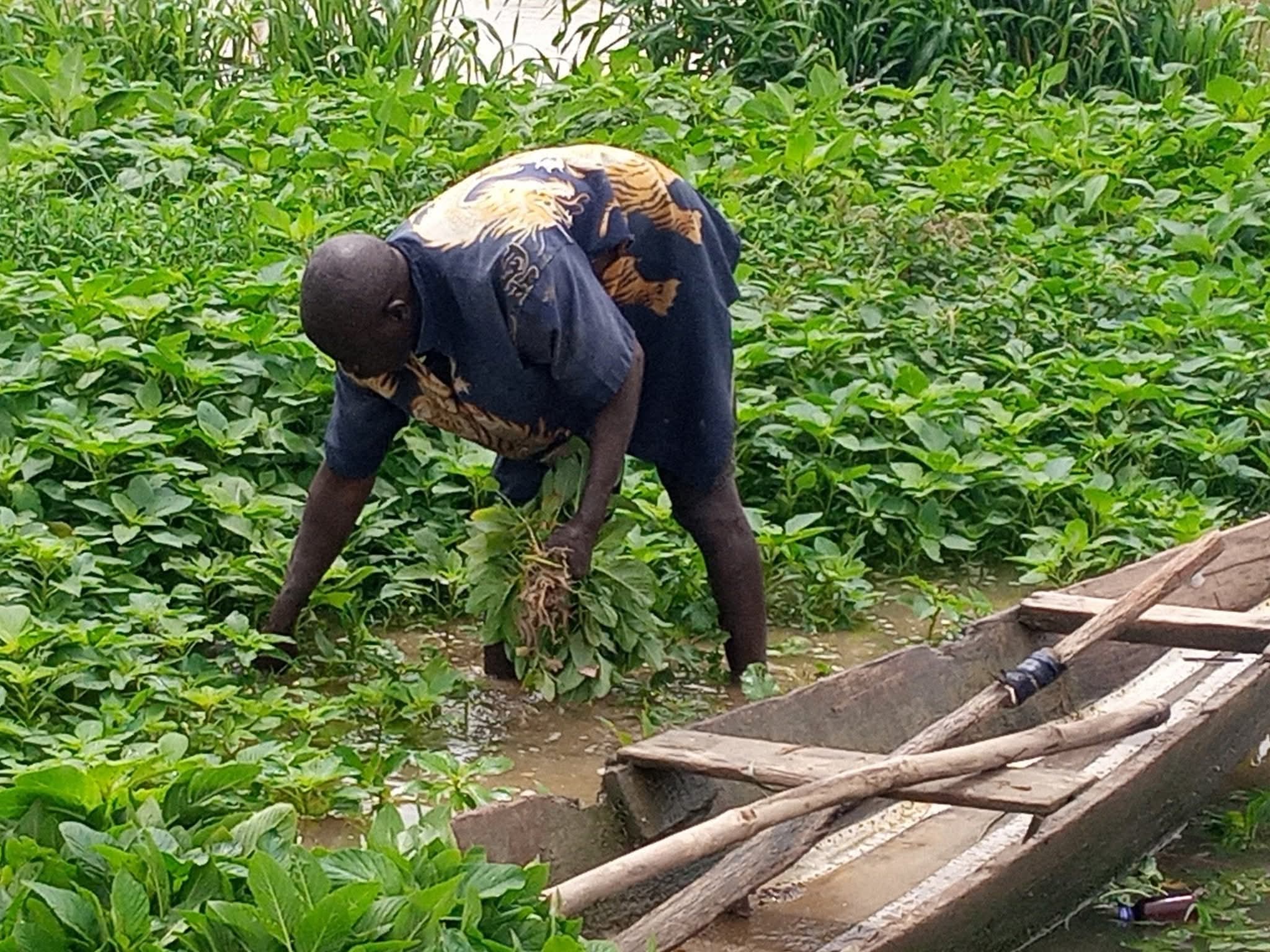
Kaduna State has been urged to embrace a farming system that minimizes or completely eliminates the use of chemical fertilizers as part of efforts to promote environmental sustainability, improve soil health, and strengthen food security.
Speaking on the need for sustainable agricultural practices, environmental advocate and Head of Environment, Climate Change and Mitigation of NACCIMA Youth Entrepreneurs (NYE), Kaduna State Chapter, Comrd. Abel Y. Hayas, emphasized that reducing dependence on synthetic fertilizers would not only protect the environment but also enhance the long-term productivity of farmlands.
According to him, governments at all levels can achieve this objective by promoting organic farming, agroecology, permaculture, regenerative agriculture, integrated nutrient management, conservation agriculture, and community-supported agriculture initiatives.
He explained that organic farming encourages the use of compost, animal manure, green manure, and other natural nutrient sources while creating opportunities for farmers to access certification and markets for organic produce.
Hayas further noted that agroecological practices such as crop rotation and crop diversification can naturally replenish soil nutrients and improve ecosystem resilience, reducing the need for external chemical inputs.
He also highlighted the importance of permaculture and agroforestry systems, which integrate trees and shrubs into agricultural landscapes to improve soil fertility, prevent erosion, and create more sustainable farming environments.
On regenerative agriculture, he stressed the need for practices such as cover cropping, composting, mulching, and reduced tillage to improve soil organic matter and biodiversity. He added that holistic grazing management could enhance pasture health, improve nutrient cycling, and reduce land degradation.
The environmental expert also advocated for integrated nutrient management through regular soil testing and the adoption of biofertilizers, which help improve nutrient availability naturally.
Similarly, he called for wider adoption of conservation agriculture, emphasizing minimal soil disturbance and permanent soil cover as effective measures for maintaining soil structure and fertility.
Hayas further encouraged the development of community-supported agriculture initiatives aimed at strengthening local food systems and promoting sustainable food production.
He stated that transitioning to non-chemical fertilizer farming systems would help address challenges such as soil degradation, environmental pollution, and chemical runoff while meeting the increasing demand for organic agricultural products.
He stressed that collaboration among farmers, researchers, extension workers, and policymakers would be crucial to achieving success, adding that government support through education, extension services, and incentives would accelerate the adoption of sustainable agricultural practices.
According to him, embracing non-chemical fertilizer farming is no longer just an alternative but a necessity for ensuring a healthier environment, sustainable agricultural growth, and economic prosperity.
Hayas expressed optimism that Kaduna State can emerge as a leader in eco-friendly agriculture by investing in innovative and sustainable farming practices that preserve natural resources for future generations while guaranteeing food security.
Comrd. Abel Y. Hayas
Head of Environment, Climate Change and Mitigation
NACCIMA Youth Entrepreneurs (NYE), Kaduna State Chapter