By Ibrahima Yakubu
Head of communication and strategies
Science and environment journalist
African climate reporters
www.africanclimatereporters.com
ibrahimayakubu@gmail.com
info@africanclimatereporter.com
2347038967344
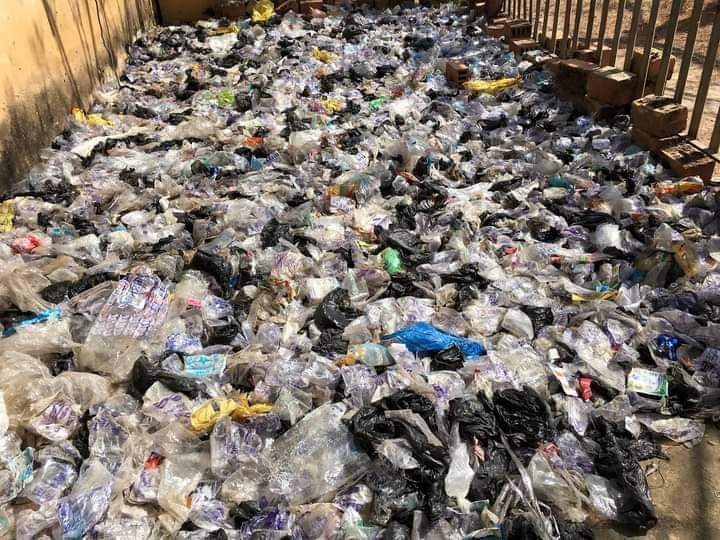
Living close to trash dump areas has many harmful effects on human health, the environment, and overall quality of life. Dump sites are often poorly managed, leading to serious problems for nearby communities.
One major implication is health risks. Trash dump areas attract flies, rats, mosquitoes, and other disease-carrying organisms. These pests can spread illnesses such as malaria, cholera, typhoid, and respiratory infections. In addition, the burning of waste releases toxic gases that can cause breathing problems, eye irritation, and long-term lung diseases, especially in children and the elderly.
Another harmful effect is environmental pollution. Waste dumps contaminate the soil, air, and nearby water sources. Harmful chemicals from decomposing waste can seep into groundwater, making water unsafe for drinking and farming. The air around dump sites is often filled with foul odors and smoke, which reduces environmental quality and makes the area unpleasant to live in.
Living near trash dumps also causes social and economic problems. Property values in such areas are usually very low, and residents often face social stigma. Poor environmental conditions can discourage development, reduce job opportunities, and lower the overall standard of living.
Possible Solutions
To reduce these harmful effects, several solutions can be implemented. First, proper waste management systems should be established, including regular waste collection, recycling, and safe disposal methods. Open dumping should be discouraged.
Second, dump sites should be located far away from residential areas and properly managed with fencing, covering of waste, and controlled waste treatment methods such as sanitary landfills.
Third, public awareness and education are essential. Communities should be educated on waste reduction, proper disposal, and recycling practices to minimize waste generation.
Finally, government policies and enforcement play a key role. Authorities should enforce environmental laws, invest in modern waste management infrastructure, and support community clean-up initiatives.
In conclusion, living close to trash dump areas poses serious health, environmental, and social risks. Through proper waste management, education, and strong government action, these harmful effects can be reduced, leading to healthier and safer communities.