By Ibrahima Yakubu
Head of Communication and Strategies
Science and Environment Journalist
African Climate Reporters
🌐 www.africanclimatereporters.com
📞 +234 703 896 7344
✉️ ibrahimayakubu@gmail.com
Info@africanclimatereporter.com
Climate change is increasingly affecting fishing environments across the world, particularly in Africa, where millions of people depend on fisheries for food, income, and livelihoods. Rising temperatures, changing rainfall patterns, ocean warming, and increased pollution are disrupting aquatic ecosystems and threatening the sustainability of fish stocks.

How Climate Change Is Affecting the Fishing Environment?
One of the most significant impacts of climate change on fisheries is rising water temperatures. Warmer oceans, rivers, and lakes reduce oxygen levels, making it difficult for fish to survive and reproduce. Some fish species are forced to migrate to cooler waters, while others face declining populations or extinction.
Sea-level rise and coastal erosion are also damaging fishing communities. Mangroves and wetlands, which serve as breeding and nursery grounds for fish, are being destroyed. This loss of habitat reduces fish populations and increases vulnerability for coastal fishers.
In addition, ocean acidification, caused by increased carbon dioxide absorption, weakens coral reefs and shellfish. Coral reefs are critical fishing grounds, and their degradation affects both biodiversity and fish harvests.

Climate change has also led to unpredictable weather patterns, including stronger storms and floods. These extreme events damage fishing equipment, disrupt fishing seasons, and put the lives of fishers at risk.
Ways to Improve and Protect the Fishing Environment
To address these challenges, sustainable fishing practices must be promoted. This includes regulating fishing seasons, preventing overfishing, and using environmentally friendly fishing gear to allow fish populations to recover.
Protecting and restoring aquatic ecosystems, such as mangroves, wetlands, and coral reefs, is essential. These ecosystems act as natural buffers against climate impacts and support fish breeding and growth.

Governments and stakeholders should also invest in climate-resilient fisheries management, using scientific data and local knowledge to adapt to changing environmental conditions. Early warning systems and climate information can help fishers plan safer and more productive activities.
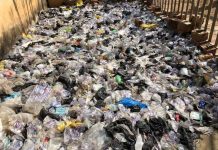
Furthermore, reducing pollution and greenhouse gas emissions is critical to slowing climate change. Promoting clean energy, reducing plastic waste, and enforcing environmental regulations will help protect water bodies.
Finally, empowering fishing communities through education, training, and alternative livelihoods can reduce pressure on fisheries while improving economic resilience.
Conclusion
Climate change poses a serious threat to fishing environments, food security, and livelihoods. However, with strong policies, community involvement, and sustainable environmental practices, it is possible to protect fisheries for future generations. Urgent action is needed to ensure that fishing ecosystems remain productive and resilient in the face of climate change.