By ibrahima yakubu
As Nigeria approaches the dry season amid concerns over extreme heat and changing weather patterns associated with El Niño, farmers are facing growing challenges in preserving their harvests, reducing post-harvest losses and safeguarding food supplies.
For many smallholder farmers, producing food is only part of the challenge. Preserving harvested maize, beans, rice, millet, sorghum, tomatoes, peppers and other agricultural produce against high temperatures, moisture, insects and mould remains a major concern, particularly in rural communities where modern storage facilities are limited.
High temperatures can accelerate the deterioration of fresh produce, while grains stored with excessive moisture may develop mould and become contaminated. Inadequate storage can also expose crops to insects and rodents, reducing their quality, market value and suitability for consumption.
These challenges are particularly concerning when high temperatures coincide with inadequate storage infrastructure, unreliable electricity and limited access to affordable preservation technologies.
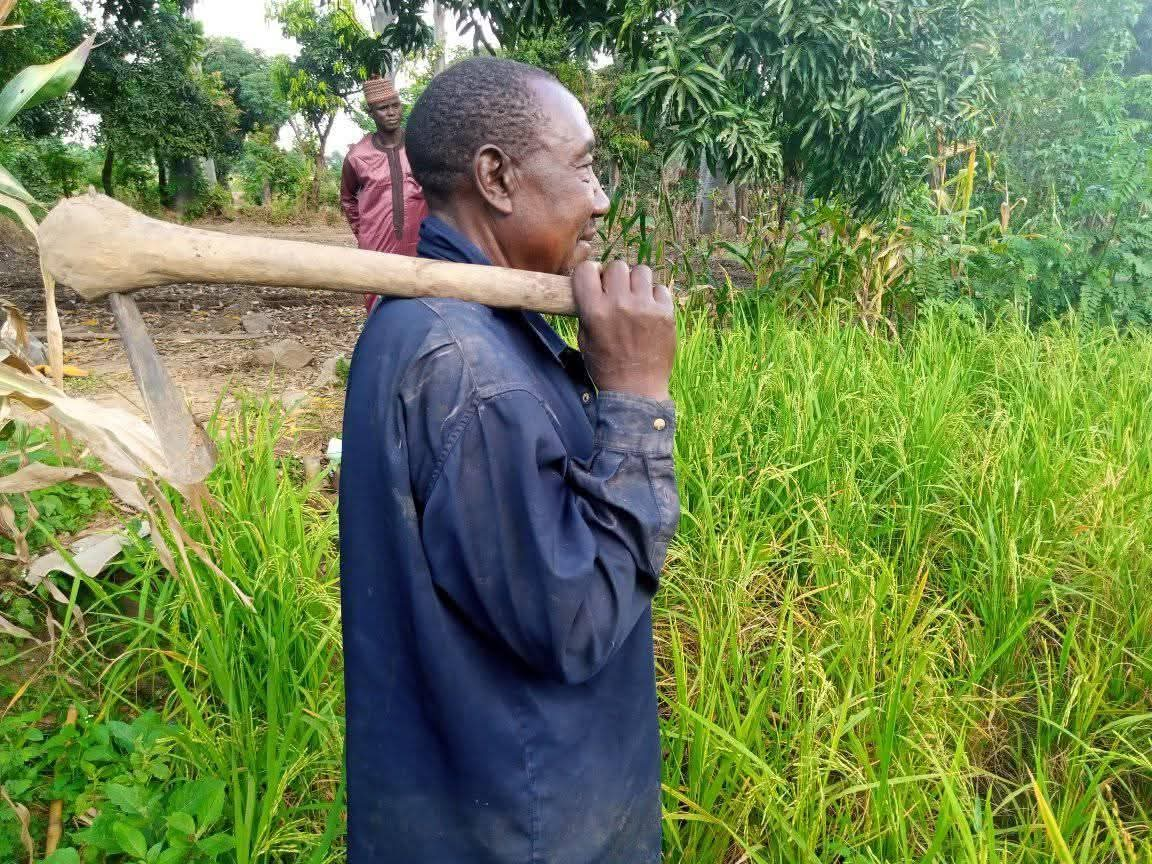
Speaking in an interview, Musa Dauda, a farmer along the Kaduna River, said this year’s harvest season had come amid extreme heat and the rising cost of chemicals used to protect stored farm produce against pests.
Dauda explained that the combination of high temperatures and the increasing cost of storage chemicals was creating additional difficulties for farmers seeking to preserve their harvests and prevent post-harvest losses.
He said the situation was putting pressure on farmers who already face the challenge of managing production costs while trying to ensure that their harvested crops remain in good condition for future consumption and sale.
The farmer’s experience highlights the need for affordable and safer alternatives that can help rural farmers protect their produce without placing additional financial pressure on their households.

he said every he usually plant Maize, beans, rice and sorghum and storre in his house but this year heat season,is making him to be afraid
he also raise concerns on rat and other insect at home,which makes him to buy some chemical at high price for the preservation of his food items
the price of the insecticides depend on the quantity to be use.but he uses some traditional leaves and some cultural ways of preserving his farm crops againt any forms of damage or attack from insect and other pest or rodents at home
Meanwhile, Ibrahim Salisu, founder of Teku International Farm in Kaduna, said his organisation had been training young farmers in different methods of preserving and storing agricultural produce.
According to Salisu, the training is aimed at equipping young farmers with practical knowledge and skills to minimise food losses and improve the handling of harvested crops, particularly at a time when extreme heat and the rising cost of food-preservation chemicals are becoming increasingly challenging for farmers.
He said developing farmers’ knowledge of appropriate storage and preservation techniques was important in helping them protect their harvests, reduce unnecessary expenditure and improve the value of their agricultural produce.
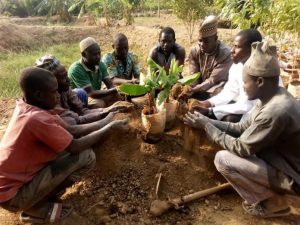
The initiative highlights the importance of farmer education and practical training in addressing post-harvest challenges. By equipping young farmers with affordable preservation techniques, agricultural organisations can help rural communities reduce dependence on costly inputs where suitable alternatives are available.
he said, every year in his farm,he uses to trained many youth on smart agricultural farming and teach young farmers betters ways of preserving and storing their farm crops againg all forms of attack
accoding to him many young farmers were equiped and trained with differents skills of farming and food storage
In response to these challenges, improved storage technologies are receiving growing attention across Nigeria’s agricultural sector. These include airtight hermetic storage bags, improved grain containers, properly ventilated storage facilities and solar dryers that help farmers dry produce before storage.
Hermetic bags limit air exchange and can suppress many storage insects when used correctly with sufficiently dry grains. This technology may help farmers reduce their dependence on some chemical insecticides used in grain storage, although the appropriate method depends on the crop, storage conditions and pest problem.
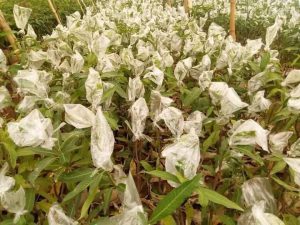
Solar dryers can also help farmers preserve tomatoes, peppers and other produce by reducing moisture under more controlled conditions. For grains, proper drying before storage is essential to reduce the risk of mould and deterioration.
Traditional storage practices remain important in many rural communities. Farmers can improve them by cleaning storage areas, drying grains thoroughly, inspecting stored produce regularly, keeping bags and containers off damp floors and protecting food from rodents, rain and direct exposure to harsh sunlight.
However, the cost of modern equipment, limited access to agricultural extension services, inadequate rural infrastructure and insufficient awareness continue to prevent some farmers from adopting better storage practices.
Although many non government were doing their best toward informing young farmers on latext ways of preserving and storage of farm crops against damage due to extreme heat and pest attact
Solutions to Nigeria’s Food Storage Challenges
To address these challenges, the Federal Government, state governments, agricultural research institutions, development partners and farmers’ organisations need to strengthen efforts to make affordable, climate-resilient food storage accessible to rural communities.
First, state governments should establish or rehabilitate community-based storage centres equipped with suitable ventilation, moisture-monitoring equipment and, where necessary, temperature-control systems. Such facilities would enable farmers to preserve their harvests safely instead of being forced to sell immediately after harvest when market prices may be low.
Second, agricultural extension officers should intensify education on post-harvest management. Training should cover proper drying techniques, safe moisture levels for different crops, the correct use of hermetic bags, appropriate pest management and regular inspection of stored food. Farmers must understand that sealing grains before adequate drying can encourage mould and compromise food safety.

Third, governments and agricultural finance institutions should provide grants, low-interest loans or subsidies to help smallholder farmers purchase hermetic bags, moisture meters, solar dryers and other suitable storage equipment. Farmers’ cooperatives could also negotiate bulk purchases to reduce costs.
Fourth, agricultural authorities and research institutions should educate farmers on the safe and appropriate use of storage chemicals. Farmers should follow product labels and professional guidance, avoid unapproved chemicals and observe all recommended precautions. Where suitable, alternative methods such as hermetic storage can reduce reliance on chemical insecticides.
Fifth, agricultural organisations such as Teku International Farm and other farmer-support initiatives should be encouraged to expand practical training programmes for young farmers. These programmes can demonstrate affordable storage techniques, safe drying methods, pest prevention and appropriate preservation practices for different crops.
Sixth, investment in solar-powered cold rooms and energy-efficient preservation technologies should be expanded in communities producing perishable crops. Tomatoes, vegetables, fruits and other highly perishable foods require appropriate cooling or processing because ordinary grain-storage methods cannot adequately protect them from heat-related deterioration.
Seventh, agricultural research institutions and universities should work with farmers to improve locally available storage methods and develop affordable technologies suited to different Nigerian climates. Research findings should be communicated in local languages so farmers can easily understand and apply the recommendations.
Climate information and early-warning services should also be strengthened through collaboration between the Nigerian Meteorological Agency, agricultural extension networks and farming communities. Farmers need timely information about heatwaves, rainfall changes and drying conditions to plan harvesting, drying, transportation and storage.

Farmers should be encouraged to diversify their preservation strategies according to the crops they produce. Options include drying, milling, processing into flour, safe fermentation and other appropriate preservation methods. Linking farmers to food processors and reliable markets can further reduce the amount of produce lost while waiting for buyers.
In addition, state governments should improve rural roads, electricity supply and access to markets. Poor transportation and prolonged delays between harvesting and storage can expose fresh produce to deterioration, particularly during periods of intense heat.
Protecting Food Security Beyond the Farm
As Nigeria faces increasing climate-related risks, protecting food after harvest deserves as much attention as increasing agricultural production. Better storage can help farmers preserve the quality of their produce, reduce avoidable losses, improve earnings and maintain household food supplies.
The experiences shared by Musa Dauda and the training efforts described by Ibrahim Salisu highlight two important aspects of the challenge: the financial pressure farmers face in protecting their harvests and the importance of equipping them with practical knowledge to reduce losses.

Governments should therefore treat post-harvest management as a central part of food security and climate adaptation. This requires sustained investment, affordable technologies, farmer training, reliable rural infrastructure and collaboration between public institutions, private businesses and farming communities.
Although El Niño can influence temperature and rainfall patterns, its specific contribution to extreme heat in Nigeria should be assessed using reliable meteorological evidence. Nevertheless, preparing farmers for high temperatures and other weather-related risks remains an important step towards building a more resilient agricultural sector.
Ultimately, Nigeria’s response to extreme heat and changing climate conditions must extend beyond the farm to the places where food is dried, processed, transported and stored. Equipping farmers with practical and affordable storage solutions will be essential to reducing food waste, protecting livelihoods and strengthening national food security.
As the dry season advances, expanding farmer training, improving access to affordable storage technologies and supporting local agricultural initiatives could help ensure that more of the food produced in Nigerian communities remains available, safe and affordable for consumers.

The way forward is to combine improved storage technology, accessible financing, reliable climate information and practical farmer education to ensure that the country’s agricultural production translates into less food waste, stronger rural livelihoods and improved food security.