By ibrahima yakubu
Africa may be heading into a critical climate period as a strengthening El Niño raises concerns about extreme heat, changing rainfall patterns, food security and public health. The warning is clear: governments, communities and institutions must prepare before climate hazards turn into humanitarian emergencies.
But a crucial question remains: Are African countries truly prepared for the potential impacts of what some have dramatically called the “Godzilla El Niño,” or will action come only after lives and livelihoods have been lost?
The World Meteorological Organization (WMO) reported on 8 October 2026 that El Niño was strengthening and could reach its peak around December. The developing event is drawing attention to possible changes in global temperatures and rainfall patterns, although its impacts will vary across regions.
The expression “Godzilla El Niño” captures the scale of public anxiety, but it is not an official scientific classification. The real concern is whether African countries are prepared to respond to the climate risks that forecasts identify.
Africa’s climate vulnerability under renewed pressure
El Niño is a naturally occurring climate phenomenon associated with warmer-than-average sea-surface temperatures in the central and eastern tropical Pacific Ocean. It influences atmospheric circulation and can affect weather patterns across the world.
For Africa, its consequences will not be uniform. Some areas may experience reduced rainfall, drought and water shortages, while others could face heavier rainfall, flooding and damage to homes, roads and agricultural land.
These risks come at a time when many African communities are already dealing with climate-related pressures, including land degradation, food insecurity, water scarcity and increasingly dangerous heat.
For millions of households that depend on agriculture, livestock and other climate-sensitive livelihoods, changes in rainfall and temperature can have immediate economic consequences.
The danger is not simply the arrival of El Niño. It is the possibility that predictable risks will meet inadequate preparation, leaving vulnerable communities with limited resources to cope.
Nigeria: Is the country prepared for extreme heat?
Nigeria has particular reasons to strengthen its preparedness for extreme temperatures. Farmers, traders, construction workers, transport operators and other outdoor workers can face serious health risks during periods of intense heat.
Children, older people and households without reliable access to electricity, drinking water or cooling may be especially vulnerable.
A September 2026 report by the Climate Impact Lab projected approximately 31,400 additional heat-related deaths in Nigeria over the period it examined, from September 2026 to February 2027. This figure is a model-based projection, not a confirmed death toll, and should be interpreted in the context of the report’s assumptions and methodology.
Nevertheless, such projections raise urgent questions about Nigeria’s public-health preparedness.
Are health authorities ready to issue timely heat alerts? Are employers protecting workers exposed to high temperatures? Do communities understand the warning signs of heat exhaustion and heatstroke? Are hospitals equipped to respond to an increase in heat-related illness?
Preparedness must move beyond public announcements. It should include practical measures that protect people where they live, work, study and earn their livelihoods.
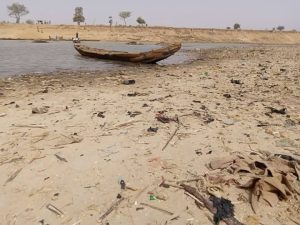
Farmers and food security: Preparing before the crisis
Agriculture remains central to livelihoods across much of Africa, making farmers particularly sensitive to changes in rainfall and temperature.
Irregular rainfall can disrupt planting calendars, while prolonged dry conditions can reduce crop yields, weaken livestock and deplete water sources. On the other hand, intense rainfall can wash away seeds, destroy crops, cause erosion and cut off rural communities from markets.
Smallholder farmers, who often have limited access to irrigation, insurance, credit and reliable climate information, may struggle to recover from repeated losses.
African governments should therefore work with meteorological agencies, agricultural researchers and extension officers to provide location-specific seasonal forecasts and practical farming advice.
Farmers also need access to suitable crop varieties, improved water management, affordable storage, agricultural insurance where available and reliable information about changing planting conditions.
The goal should be to help farmers anticipate climate risks rather than forcing them to respond after their harvests have already been damaged.
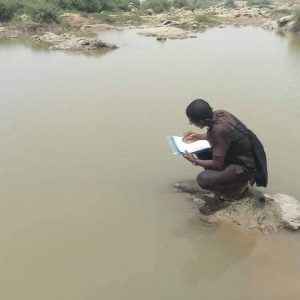
Five urgent actions African governments must take
1. Strengthen early-warning systems
Meteorological agencies should work with emergency-management authorities and local communities to ensure that forecasts reach people in languages they understand. Radio, television, mobile messaging and community networks can help deliver timely warnings about dangerous heat, drought and flooding.
2. Protect public health from extreme heat
Governments should develop and implement heat-health action plans, promote access to safe drinking water and shaded spaces, strengthen public awareness and establish appropriate protections for outdoor workers. Health facilities should also be prepared to identify and manage heat-related illnesses.
3. Support climate-resilient agriculture
Farmers need timely forecasts, practical agricultural guidance, suitable seeds, water-management solutions and support to reduce losses. Governments should also strengthen food-storage systems and contingency plans to limit the effects of climate shocks on food availability and prices.
4. Prepare communities for flooding and water shortages
Local authorities should maintain drainage systems, identify high-risk settlements, protect essential infrastructure and develop emergency response and evacuation plans where necessary. Communities facing drought should receive practical guidance on water conservation and the protection of critical water supplies.
5. Make climate preparedness accountable
Governments should communicate their preparedness plans, identify responsible institutions and explain how resources are being used. Journalists, civil society organisations, researchers and community leaders can monitor implementation and highlight gaps before those gaps contribute to preventable losses.

Climate journalism: Turning warnings into action
Climate journalists have a responsibility that extends beyond reporting destroyed homes, failed harvests and heat-related deaths after a disaster has occurred.
They must help the public understand what climate forecasts mean for everyday life and what can be done to reduce the risks.
This requires stronger collaboration between journalists and meteorologists, climate scientists, agricultural experts, public-health professionals and emergency responders.
For African Climate Reporters, such collaboration can strengthen solutions-oriented reporting by connecting scientific evidence with public awareness, government accountability and community action.
Journalists should investigate whether early-warning systems are functioning, whether vulnerable communities are receiving information, whether emergency plans are adequately funded and whether proposed interventions are reaching the people who need them most.
Reporting should also challenge misinformation and avoid portraying every extreme-weather event as a direct consequence of El Niño. Scientific accuracy is essential, particularly when public anxiety is high.
By reporting in local languages and explaining forecasts in practical terms, journalists can help communities make informed decisions about farming, water use, health protection and emergency preparedness.
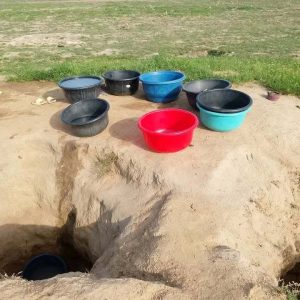
Africa must act before disaster strikes
El Niño is a natural climate phenomenon, and African countries cannot prevent it from occurring. However, they can reduce the damage associated with foreseeable risks through better planning, reliable information, stronger public services and timely action.
The coming months should be treated as an opportunity to assess preparedness, close critical gaps and strengthen cooperation between governments, scientists, journalists and communities.
No forecast can guarantee that every African country will experience the same impacts. Nor should the most alarming projections be treated as inevitable outcomes. What matters is using the best available evidence to identify risks and prepare for the conditions that may arise.
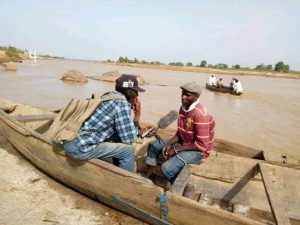
The real test of Africa’s readiness will not be the warnings issued before El Niño peaks, but the lives protected, livelihoods safeguarded and losses prevented through timely action.
The question is no longer simply whether Africa should be concerned about the so-called “Godzilla El Niño.” It is whether the continent will turn climate warnings into practical preparedness—or wait until the consequences become impossible to ignore.