By Maryam Diallo
The PROCMURA Youth Peace Ambassadors Network–Nigeria has called on young people in Kaduna State to reject religious extremism, hate speech, political manipulation, and electoral violence ahead of Nigeria’s 2027 general elections.
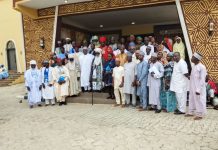
The call was made during a one-day youth sensitisation workshop held on October 10, 2026, at Mogadishu Metro Hotel and Suites, Unity Bank Road, behind Ahmadu Bello Way, Kaduna. The workshop brought together youths from various local government areas of the state to explore practical ways of promoting peace, religious tolerance, and peaceful coexistence.
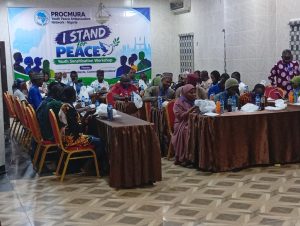
The programme, organised under the theme “Different Contexts, Common Aspirations,” focused on countering violent religious extremism and strengthening the role of young people in preventing election-related violence.
Speaking at the event, Pastor John Joseph, one of the organisers, explained that the PROCMURA Youth Peace Ambassadors Network is an initiative of the Programme for Christian-Muslim Relations in Africa (PROCMURA), established to empower young people to promote peace, religious understanding, and social cohesion across African communities.
He said engaging young people was particularly important as Nigeria approaches the 2027 general elections, noting that youths must be equipped to recognise and resist messages capable of provoking religious hostility, political tension, and violence.
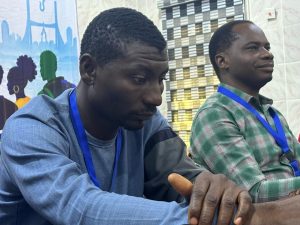
According to him, the workshop provided an opportunity for participants to understand how religious differences could be manipulated to create division and why young people should instead become agents of peace and unity in their communities.
During the first session, Imam Dr Nuraini Ashafa presented a paper titled “Different Contexts, Common Aspirations: Countering Violent Religious Extremism.” The presentation examined extremist narratives, religious manipulation, intolerance, and hate speech, while highlighting the need for dialogue, mutual respect, and cooperation among people of different faiths.
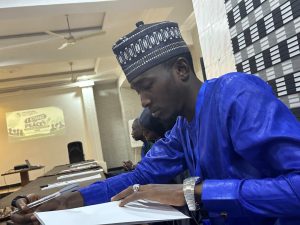
The session also emphasised the importance of challenging harmful stereotypes and preventing the spread of messages that encourage hostility or justify violence in the name of religion.
The second session, facilitated by Mallam Joshua of the Centre for Christian-Muslim Relations in Kaduna, focused on “Different Contexts, Common Aspirations: Youth and the Prevention of Election Violence.”
The discussion explored how young people could contribute to peaceful elections by rejecting political inducement to violence, refusing to spread misinformation, verifying information before sharing it, and reporting threats or activities that could endanger their communities.
Participants were also encouraged to exercise their civic responsibilities peacefully and avoid allowing religious, ethnic, or political differences to undermine relationships among communities.
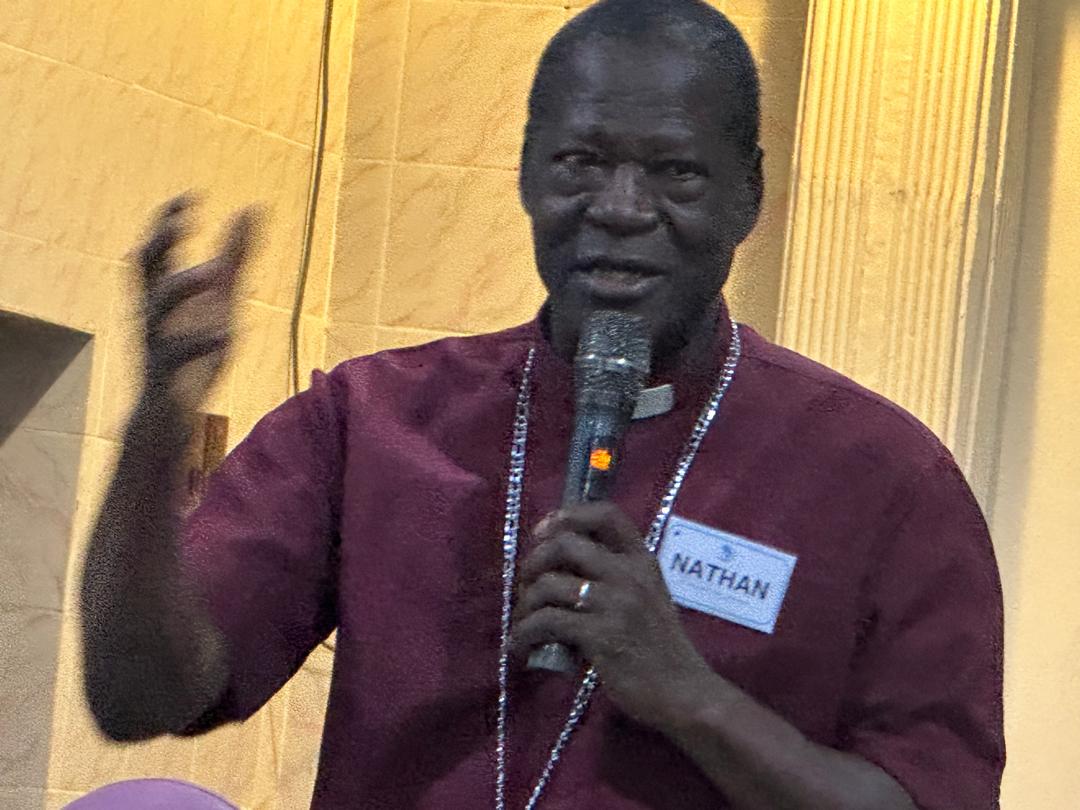
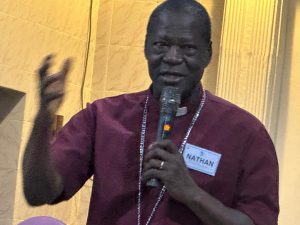
In his remarks, Rev. Dr Nathan Idrissu Samwini of Kenya stressed the importance of peace, unity, and credible electoral processes. He urged Nigerian youths to support free, fair, and peaceful elections and shun all forms of electoral violence before, during, and after the 2027 general elections.
He cautioned young people against allowing themselves to be used by political interests to create crises, deepen divisions, or threaten the safety of others. He further encouraged them to become advocates for peaceful engagement and mutual understanding within their communities.

Rev. Dr Samwini also called on parents to take an active role in the upbringing of their children by monitoring their activities, guiding their movements, providing moral direction, and ensuring access to education.
He stressed that parents and families have a responsibility to nurture young people who respect others, reject violence, and contribute meaningfully to peace and social development.
The workshop highlighted the shared aspirations of young Muslims and Christians, despite their different religious and social backgrounds. These aspirations include peace, security, justice, dignity, equal opportunities, and a better future for their communities.
It further underscored the need for sustained collaboration among religious leaders, parents, civil society organisations, and youth groups to address intolerance, prevent radicalisation, and reduce the risk of election-related violence
 .
.
As preparations for the 2027 general elections approach, the workshop called for continued investment in youth engagement, interfaith dialogue, responsible civic participation, and community-based peacebuilding.
The organisers expressed the hope that participants would take the lessons learned back to their communities and use them to challenge hate speech, promote religious understanding, and encourage peaceful participation in Nigeria’s democratic process.