By ibrahima yakubu
Nigeria faces a potentially devastating heat threat, with projections warning of thousands of additional deaths. Early warnings, cooling centres and stronger protections for outdoor workers could help save lives.
Africa is facing growing concerns about extreme heat as climate scientists monitor the possibility of a strong El Niño event and its potential effects on temperatures across many parts of the continent. The phenomenon has raised questions about how prepared African countries are to protect vulnerable communities from dangerous heat.
Sometimes described in public discussions as “Godzilla El Niño,” an exceptionally strong El Niño refers to a powerful phase of a natural climate pattern that can disrupt weather conditions around the world. Its impacts vary by region and season, potentially contributing to hotter conditions, drought, disrupted rainfall and increased pressure on water and food supplies.

Nigeria is particularly vulnerable to extreme heat because millions of people work outdoors, while many households have limited access to reliable electricity, air conditioning and adequate healthcare. Informal settlements, crowded urban neighbourhoods and communities with limited water supplies may face additional risks.
A projection cited in the warning estimates that a severe El Niño-related heat scenario could lead to 31,400 additional heat-related deaths in Nigeria alone. This figure should be treated as a projection rather than a confirmed death toll, and its methodology, timeframe and assumptions should be verified before publication.

The warning highlights an urgent need for African governments, health authorities, environmental organisations, scientists and the media to prepare for extreme heat rather than wait until lives are lost.

Practical solutions: What Nigeria and other African countries must do
1. Establish heat early-warning systems
National meteorological agencies should work closely with health authorities, emergency management agencies and local governments to issue timely heat alerts. These warnings should reach communities through radio, television, SMS, social media and local-language broadcasts, including Hausa and other widely spoken African languages.
2. Create public cooling centres
Governments and local authorities should identify accessible, shaded and well-ventilated public buildings where people can escape dangerous heat. Schools, community halls, libraries and health facilities could serve as cooling centres during periods of extreme temperatures, with particular attention to people who lack electricity or adequate housing.

3. Protect outdoor workers
Farmers, construction workers, street vendors, waste collectors, transport workers and other people working outdoors face significant heat exposure. Employers and relevant authorities should promote flexible working hours, regular rest breaks, access to drinking water and shaded resting areas. Where possible, strenuous work should be moved away from the hottest hours of the day.
4. Strengthen healthcare preparedness
Hospitals, primary healthcare centres and emergency services should be equipped to recognise and treat heat exhaustion, heatstroke and dehydration. Health workers should receive training to identify warning signs, while public campaigns should explain when people need urgent medical attention.


5. Expand urban trees and green spaces
City planners should prioritise tree planting, urban parks, shaded walkways and heat-sensitive building designs. Protecting existing trees and restoring degraded landscapes can help reduce local heat exposure while providing wider environmental benefits. Tree planting must be supported by appropriate species selection and long-term maintenance.
6. Improve access to safe water and electricity
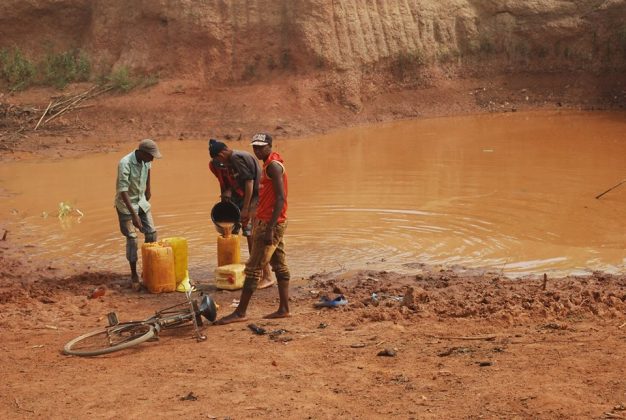
Communities need reliable access to safe drinking water during periods of extreme heat. Governments and development partners should invest in resilient water systems and affordable, clean energy solutions that can support fans, health facilities and essential cooling services without increasing dependence on polluting energy sources.
7. Make climate journalism part of the solution
Journalists should move beyond reporting temperature records and disaster warnings. They can explain the science behind El Niño, identify vulnerable communities, investigate gaps in government preparedness and highlight practical solutions that work.
African Climate Reporters and other media organisations can collaborate with meteorologists, public-health experts, climate scientists, researchers and community leaders to produce accurate, accessible and locally relevant heat-risk information.

Radio programmes, community forums, investigative reports and social media campaigns can help people understand how to protect themselves and where to seek assistance.
8. Develop national and local heat-action plans
Federal and state governments should develop heat-action plans that clearly define responsibilities, emergency procedures, public communication strategies and funding arrangements. These plans should prioritise older people, young children, pregnant women, people with disabilities, people with existing vulnerabilities and low-income households.
Regional cooperation is also essential. Countries across the Sahel and other climate-vulnerable parts of Africa should share forecasting information, public-health lessons and effective heat-prevention strategies.

Conclusion: Africa must act before the heat becomes a disaster
The threat of an exceptionally strong El Niño is a reminder that climate preparedness must be treated as a public-health priority. Although El Niño’s impacts differ across regions, the combination of extreme heat, limited access to cooling, water insecurity and vulnerable livelihoods can place millions of people at risk.
The projected 31,400 additional heat-related deaths in Nigeria should be understood as a warning scenario, not an inevitable outcome. Timely heat alerts, accessible cooling centres, stronger worker protections, prepared healthcare services and effective public education could reduce the danger.
African governments, scientists, journalists, civil society organisations and communities must turn climate forecasts into practical action. The time to prepare is before the heat reaches its peak—not after lives have been lost.