By: Cmrd Abel Yahaya Hayas
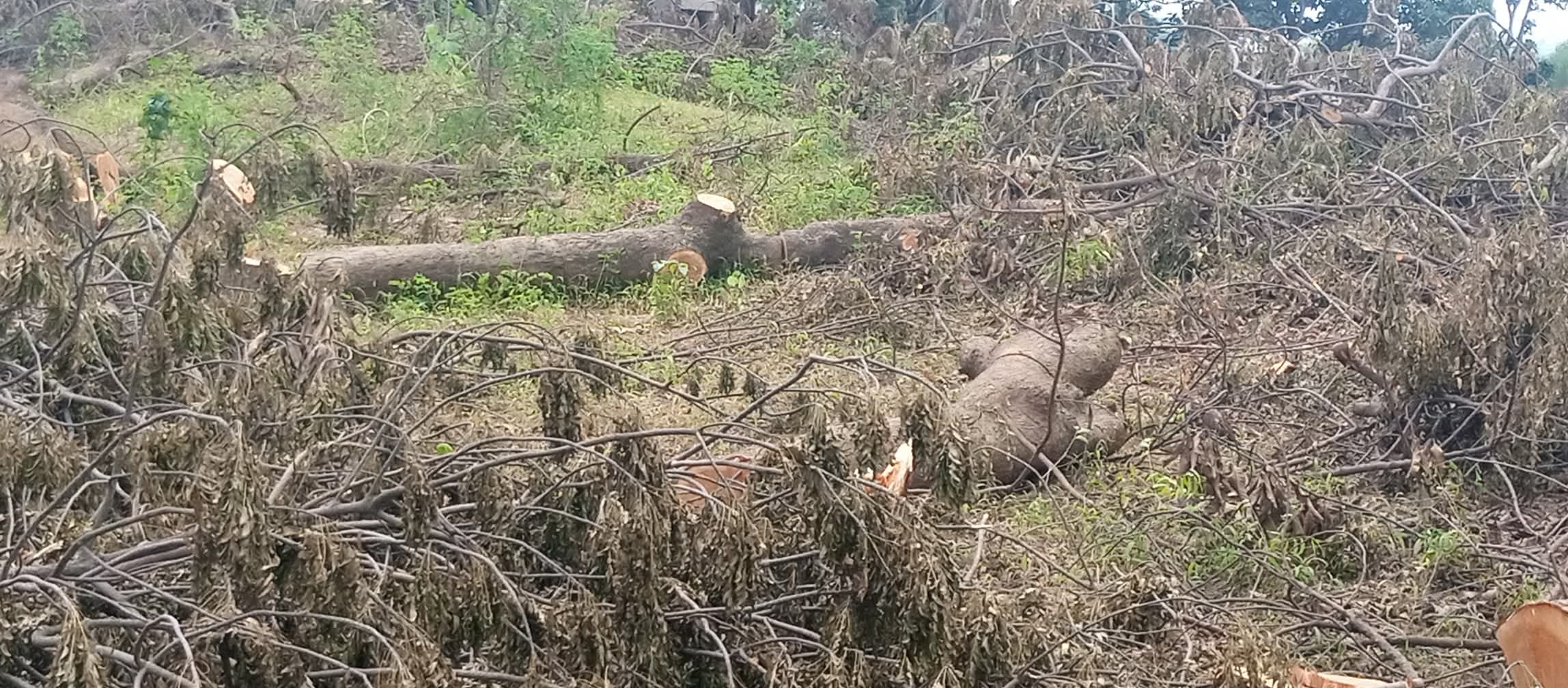
Nigeria is blessed with vast forest reserves that play a critical role in maintaining ecological balance, preserving biodiversity, and sustaining the livelihoods of millions of citizens. From the mangrove forests of the Niger Delta to the savanna woodlands of the north, these natural ecosystems are indispensable to our national wellbeing. However, decades of unchecked deforestation, illegal logging, and agricultural expansion have placed our forests under severe threat. The time has come for the Nigerian government to take decisive action by enforcing strict forest preservation policies.
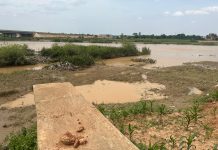
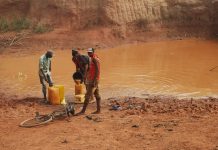
The consequences of forest depletion are already evident across the country. Soil erosion is worsening, leading to reduced agricultural productivity and threatening food security. Water sources are drying up as watershed forests disappear. Wildlife populations are declining at alarming rates, pushing several species toward extinction. Furthermore, the loss of forest cover contributes significantly to climate change, exposing communities to extreme weather events, flooding, and desertification particularly in the northern regions.

To address this crisis, the government must move beyond rhetoric and implement enforceable legal frameworks. Existing environmental laws must be strengthened, and penalties for illegal logging and encroachment must be severe enough to serve as genuine deterrents. Forest reserves should be properly demarcated, adequately staffed with trained rangers, and monitored using modern technology such as satellite surveillance and drone patrols.
Community involvement is equally essential. Local populations living near forest areas must be empowered as stakeholders rather than treated as obstacles. Sustainable alternative livelihood programs such as eco-tourism, beekeeping, and community-based forest management should be introduced to reduce dependency on forest exploitation. Education and awareness campaigns must also be intensified to foster a national culture of environmental stewardship.

Forest preservation is not merely an environmental concern; it is an economic and security imperative. A nation that destroys its forests undermines its own future. The Nigerian government must act now with courage, consistency, and commitment to protect this irreplaceable national heritage for generations to come.
*The Use of Natural Gas Should Be Enforced and Made Affordable for the Common Nigerian*
Energy access remains one of the most pressing challenges facing ordinary Nigerians today. Despite being one of the world’s largest producers of natural gas, millions of Nigerian households and small businesses continue to rely on firewood, charcoal, and kerosene for cooking and heating fuels that are not only expensive in the long run but also hazardous to health and the environment. It is both a moral and practical necessity for the Nigerian government to enforce the widespread adoption of natural gas while ensuring it remains affordable for the common citizen.

Natural gas offers numerous advantages over traditional biomass fuels. It burns cleaner, producing significantly lower levels of carbon monoxide and particulate matter. This translates to improved public health outcomes, particularly for women and children who are most exposed to indoor air pollution from cooking with firewood and charcoal. From an environmental standpoint, transitioning to natural gas will reduce deforestation pressures and lower Nigeria’s overall carbon footprint.
Economically, natural gas is more efficient and cost-effective. A household using liquefied petroleum gas (LPG) for cooking spends considerably less over time compared to one dependent on kerosene or charcoal. For small businesses, access to affordable natural gas can reduce operational costs and improve competitiveness. At the national level, prioritizing domestic gas utilization over flaring will conserve valuable resources and generate revenue that can be reinvested in public services.
To make this vision a reality, the government must take concrete steps. First, the regulatory framework should mandate the integration of natural gas infrastructure in new residential and commercial developments. Second, subsidies and financing mechanisms should be introduced to lower the upfront cost of gas cylinders and stoves for low income families. Third, the existing gas distribution network must be expanded beyond urban centers to reach rural and underserved communities. Finally, strict penalties should be imposed on gas flaring, with the recovered resources channeled into subsidizing domestic consumption.
Energy policy is a tool for social justice. When clean, efficient energy is accessible only to the wealthy, inequality deepens. The Nigerian government has both the resources and the responsibility to ensure that natural gas becomes a right, not a privilege, for every citizen. The time to act is now.
By: Cmrd Abel Yahaya Hayas