By Ibrahima Yakubu
Head of communication and strategies
A science and environment journalist
African climate reporters
www Africanclimatereporters.com
ibrahimayakubu@gmail.com
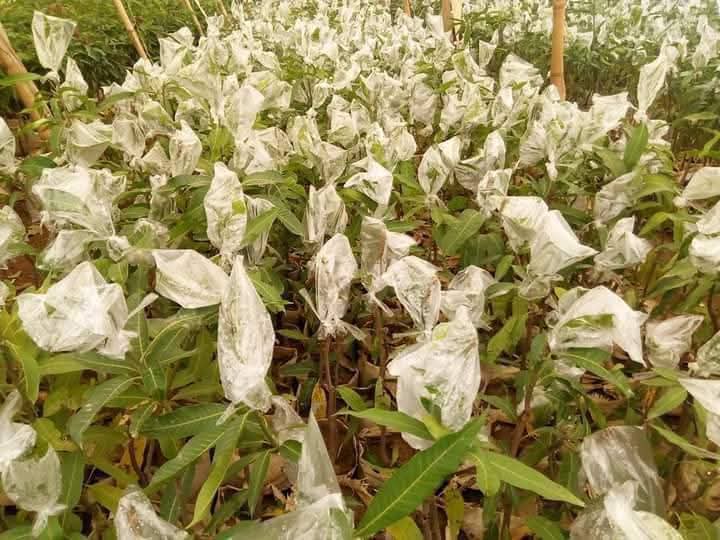
Climate change refers to long-term changes in temperature, rainfall, and weather patterns across the world. These changes are caused mainly by human activities such as burning fossil fuels, deforestation, and pollution. Climate change is having serious effects on agriculture, including nursery plants, which are young plants grown carefully before being transplanted to farms, gardens, or forests.
One major way climate change affects nursery plants is through extreme heat. Higher temperatures can dry out the soil quickly, making it difficult for young plants to get enough water. This can cause the plants to wilt, grow slowly, or even die.
Another effect is irregular rainfall. Sometimes there is too much rain, leading to flooding, while at other times there is little or no rain, leading to drought. Both conditions are harmful to nursery plants because they need a stable amount of water to grow properly.
Climate change also increases the spread of pests and diseases. Warmer temperatures can create a favorable environment for insects and plant diseases, which can destroy young plants in nurseries if not controlled.
In addition, strong winds and storms caused by changing weather patterns can physically damage nursery beds, uproot seedlings, or destroy protective structures like shade nets.
Ways to Save Nursery Plants from Climate Change
One way to protect nursery plants is through proper watering systems such as drip irrigation. This ensures that plants get enough water even during dry periods without wasting water.
Another method is using shade nets or greenhouses to reduce the impact of excessive heat and strong sunlight. These structures help maintain a more stable environment for plant growth.
Farmers can also improve soil quality by adding organic matter like compost. Healthy soil retains water better and helps plants resist stress from climate change.
Planting climate-resilient species is another important solution. These are plants that can survive harsh weather conditions such as drought or heavy rainfall.
Finally, proper pest control methods should be used, including natural pesticides and regular monitoring of nursery plants to detect diseases early.
Conclusion
Climate change poses a serious threat to nursery plants by affecting temperature, rainfall, and pest activity. However, with proper care, improved farming techniques, and the use of modern technology, these plants can be protected. It is important for farmers and gardeners to adapt to these changes to ensure healthy plant growth and food security in the future