By Musa Abdulrazak, Department of Mass Communication, Bayero University, Kano
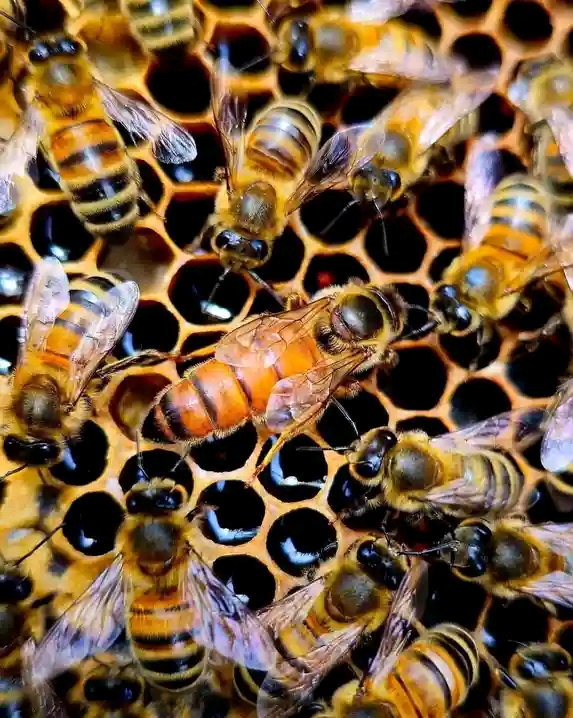
Bees are vital to the biodiversity on which we all depend. They provide high-quality food products such as royal jelly, pollen, beeswax, propolis, and honey bee venom. Beyond these products, bees play a crucial role in pollination: when animals and insects transfer pollen between flowers, they enable plants and many food crops to reproduce. While birds, rodents, monkeys, and humans can assist in pollination, insects,particularly bees, are the most effective pollinators.
Beekeeping offers a significant source of income for rural communities and contributes to food security. In fact, one-third of the world’s food production relies on bees, in addition to the numerous health benefits honey provides.
Ibrahima Garba, a beekeeper in Kaduna, Nigeria, stresses the importance of the environment for successful bee farming. “The ideal location for bee farming is a forested area with minimal human traffic, sufficient shade, and abundant flowers,” he says. To attract bees, Garba employs techniques such as herbal perfumes and cattle dust to create enticing scents. He also emphasizes the need to provide shelter, water, and nectar flowers within the farm.
Donald Magume, another experienced beekeeper, highlights the need for caution: “Bees, like other pollinating insects, can be aggressive.” He recommends measures such as fencing the farm to prevent intruders and using smoke,not fire—when harvesting honey. Similarly, Malam Dantani Mai Zuma advises courage and careful behavior around bees, warning against frowning or wearing black clothing, as bees are highly sensitive to perceived threats.
Despite these benefits, many youths remain hesitant to engage in bee farming. While individuals like Abdul Yusuf, Kabir Saleh, and Yasir Muazu recognize its potential for job creation and income generation, others, such as Sufyan Ibrahim, fear bee stings and are reluctant to participate.
Research by the Intergovernmental Science-Policy Platform on Biodiversity and Ecosystem Services reveals that over 20,000 bee species are experiencing population declines globally due to human activities, including habitat loss, intensive farming, climate change, and excessive use of agrochemicals. This decline threatens plants that are critical to livelihoods. In Nigeria, Abdulaziz Dahiru and Tahir Audu from Kano note that the high demand for pure honey has led to incidents of beehive theft and vandalism.
Dr. Musa Mika’il, a lecturer in the Department of Crop Protection at Bayero University, Kano, highlights the benefits of bee farming, including producing high-quality honey, preventing diabetes, and providing antibacterial properties. “Bees pollinate a wide range of crops, including fruits, vegetables, nuts, and staple crops such as coffee, cocoa, and apples,” he explains. Economically, bee farming is attractive: approximately 7.5 liters of honey can sell for N2,500,000.
At the annual Beekeeping Extension Association of Nigeria event on January 10, 2025, the Minister of Livestock Development, Malam Idi Mukhtar Maiha, announced government support for bee farmers. “The federal government plans to provide 20,000 beehives to boost honey production and pollination services,” he said. The initiative aims to reduce honey imports and strengthen food security. The Ministry is also committed to developing policies and Standard Operating Procedures to improve the quality and standards of Nigerian honey products.