By ibrahima yakubu
Climate journalism is rapidly emerging as one of the most important and influential practices in modern journalism. As climate change increasingly affects communities, economies, public health, agriculture, water resources and livelihoods, journalists have a growing responsibility to ensure that people understand what is happening, why it is happening and what can be done about it.
Climate journalism goes beyond simply reporting floods, droughts, extreme heat, pollution, deforestation or other environmental disasters. It involves investigating the underlying causes, examining their consequences, holding institutions accountable and reporting credible solutions that can help communities respond to environmental challenges.
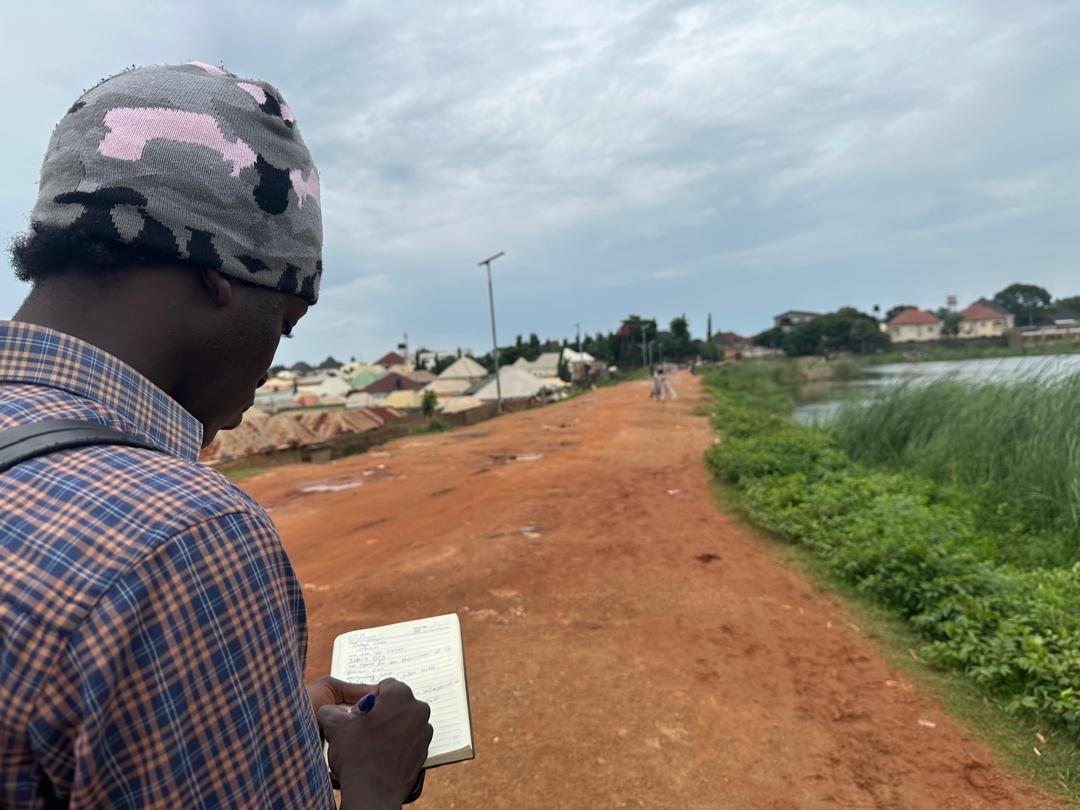
One of the greatest strengths of climate journalism is its ability to connect global issues with local realities. Climate change may be discussed at international conferences, but its consequences are experienced directly by farmers losing crops, families affected by flooding, communities facing water shortages and young people worried about their future. Good climate journalism brings these human experiences to the centre of the story.
Modern climate reporting also encourages journalists to combine traditional reporting with scientific evidence, data and expert knowledge. This makes journalism more informative and helps audiences understand complex issues without relying on misinformation, speculation or exaggerated claims. Journalists who develop skills in data analysis, environmental science and investigative reporting are better positioned to explain the realities of a changing climate.
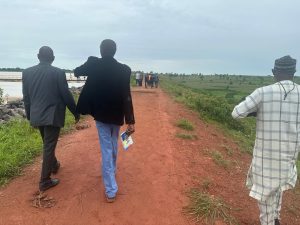
Another important feature of climate journalism is accountability. Journalists can investigate government policies, environmental regulations, climate-finance programmes, corporate activities and development projects to determine whether commitments are being fulfilled. This watchdog role can help promote transparency and encourage decision-makers to respond to environmental challenges.
Climate journalism is also increasingly embracing solutions journalism. Rather than focusing only on problems, journalists can document practical responses such as climate-smart agriculture, renewable energy, sustainable waste management, ecosystem restoration, conservation and community-led adaptation initiatives. Such reporting informs the public while demonstrating that communities and institutions can take meaningful action.
For Africa, climate journalism is particularly significant. Millions of people depend on agriculture and natural resources for their livelihoods, while many communities are increasingly exposed to flooding, drought, desertification, pollution and other environmental pressures. Responsible reporting can give these communities a voice, draw attention to neglected problems and bring environmental issues into public policy discussions.
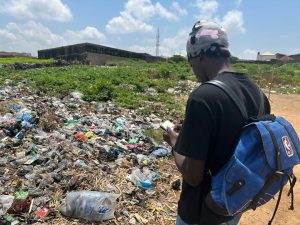
Climate journalism therefore represents much more than another specialist beat. It brings together investigative journalism, science journalism, data journalism, development reporting, accountability journalism and human-interest storytelling.
As the world confronts increasingly complex environmental challenges, journalism must continue to evolve. Climate journalism provides an opportunity for the media to remain relevant by informing citizens, questioning decisions, amplifying vulnerable voices and highlighting credible pathways toward a more sustainable future.
The future of journalism will not only be about reporting what happened. It will increasingly require journalists to explain why it happened, who is affected, what the evidence shows, who is responsible, and what solutions are possible.
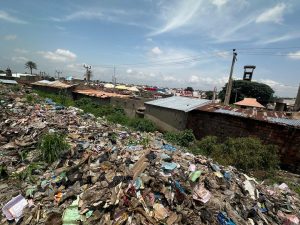
That is why climate journalism deserves a central place in modern journalism.
By ibrahima yakubu
Head of commuñication and strategies at African climate reporters