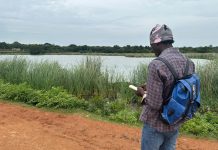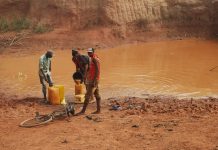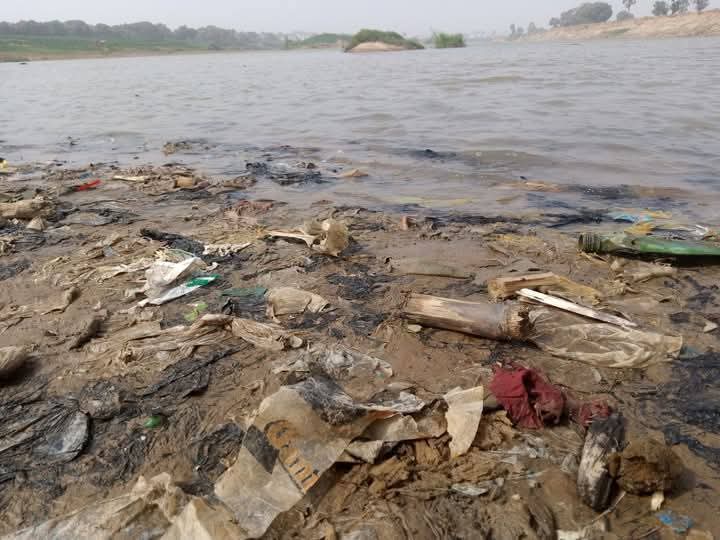
Poor communities, women, children, smallholder farmers, and pastoralists are facing growing challenges caused by rising temperatures, unpredictable rainfall, floods, droughts, and environmental degradation, with many struggling to protect their livelihoods.
For many smallholder farmers who depend on rain-fed agriculture, changing weather patterns have created uncertainty around planting and harvesting seasons. Some farmers are experiencing reduced crop yields, loss of farmland, and increased poverty as a result of climate-related challenges.
Women in rural communities are also carrying a heavier burden. As water sources become scarce and forests continue to disappear, many women and girls are forced to travel longer distances in search of water and firewood, reducing the time available for education, businesses, and other activities.
Children are among those affected by the growing climate crisis. Floods, droughts, food shortages, and displacement are disrupting their education and exposing them to health risks, despite contributing the least to climate change.
Pastoralist communities are also facing difficulties as grazing areas and water sources continue to decline. The changing environment is affecting livestock production and increasing pressure on natural resources.
Environmental experts say climate change reporting should focus more on the human stories behind the crisis, especially those of communities that are often overlooked.
They called for stronger support for vulnerable groups through climate adaptation programmes, including climate-smart agriculture, access to clean energy, improved early warning systems, and community-based solutions.

Communities Developing Solutions
Despite the challenges, some communities are taking steps to adapt to the changing climate. Farmers are adopting drought-resistant crops, sustainable farming practices, and improved water management techniques.
Women and young people are also becoming involved in renewable energy projects, recycling initiatives, and environmental protection programmes aimed at creating sustainable livelihoods.
Experts believe that empowering local communities and including their voices in climate policies will be essential in building resilience against future climate impacts.
Climate advocates are urging journalists to move beyond reporting only disasters and highlight solutions, innovations, and the efforts of ordinary people working to protect their communities.
They say the stories of climate victims must not remain silent, because giving them a voice is a critical step toward achieving climate justice