By Ibrahima Yakubu
Plastic Homes, Real Solutions: How Waste Is Becoming Shelter in Nigeria

As Nigeria grapples with rising housing costs, growing urban populations and mounting environmental challenges, a new wave of innovators is transforming one of the country’s biggest pollution problems into an affordable housing solution. Across several communities, discarded plastic bottles that once littered streets, drainage channels and dumpsites are being converted into durable homes, offering hope for both environmental protection and affordable shelter.
Nigeria generates thousands of tonnes of plastic waste every day, much of which ends up clogging waterways, contributing to flooding and polluting the environment. While plastic pollution has long been viewed as a major environmental threat, some entrepreneurs and environmental advocates are proving that waste can become a valuable resource.
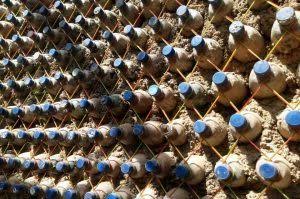
One such innovator is Kaduna-based engineer and renewable energy advocate Yahaya Ahmed, whose organization has pioneered the construction of houses using plastic bottles filled with sand and bound together with cement. What many consider waste is now being transformed into walls capable of withstanding harsh weather conditions.
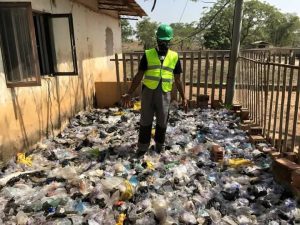
The initiative has attracted attention from environmentalists, housing experts and climate advocates who see it as a practical response to two pressing challenges facing the country: plastic pollution and the shortage of affordable housing.
According to experts, plastic bottle houses require thousands of discarded bottles that would otherwise end up in landfills, rivers and drainage systems. By collecting and reusing these materials, communities are not only reducing pollution but also creating employment opportunities for waste collectors, recyclers and construction workers.
Supporters of the technology say bottle houses have several advantages. The structures are often cheaper to build than conventional houses, provide good insulation against heat and can be remarkably durable when properly constructed. In regions where temperatures frequently soar above 35 degrees Celsius, the insulation properties of bottle walls can help keep indoor spaces cooler.

For many low-income families, affordable housing remains out of reach due to the rising cost of construction materials. Cement, iron rods and roofing materials have become increasingly expensive, forcing many Nigerians to postpone dreams of owning a home. Alternative building technologies such as plastic bottle construction are now attracting attention as a potential solution.
Environmental experts argue that the concept also contributes to climate action by reducing the volume of waste sent to dumpsites and lowering the environmental impact associated with traditional building materials. Every plastic bottle reused in construction represents one less item polluting the environment.
The innovation is also helping to raise awareness about waste management. Community groups, schools and environmental organizations have begun organizing plastic collection campaigns to support bottle-house projects while educating residents on the importance of recycling.

However, experts stress that wider adoption will require greater public awareness, technical training and government support. They recommend policies that encourage recycling, promote sustainable construction practices and support innovators developing climate-friendly housing solutions.
As Nigeria seeks ways to address environmental degradation and a growing housing deficit, plastic bottle homes are demonstrating that solutions can emerge from unexpected places. What was once viewed as worthless waste is now providing shelter, creating jobs and helping communities build resilience against environmental challenges.
For many advocates, the message is clear: the fight against plastic pollution is not only about cleaning the environment—it is also about unlocking opportunities that can improve lives and create a more sustainable future.