By Ibrahima Yakubu
As the rainy season intensifies across many parts of Northern Nigeria, a unique economic activity is emerging along the banks of rivers, streams and wetlands. The growing trade in frogs, crabs and other aquatic creatures is providing new sources of income for many residents, particularly youths and women seeking alternative livelihoods amid rising economic hardship.
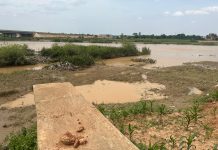
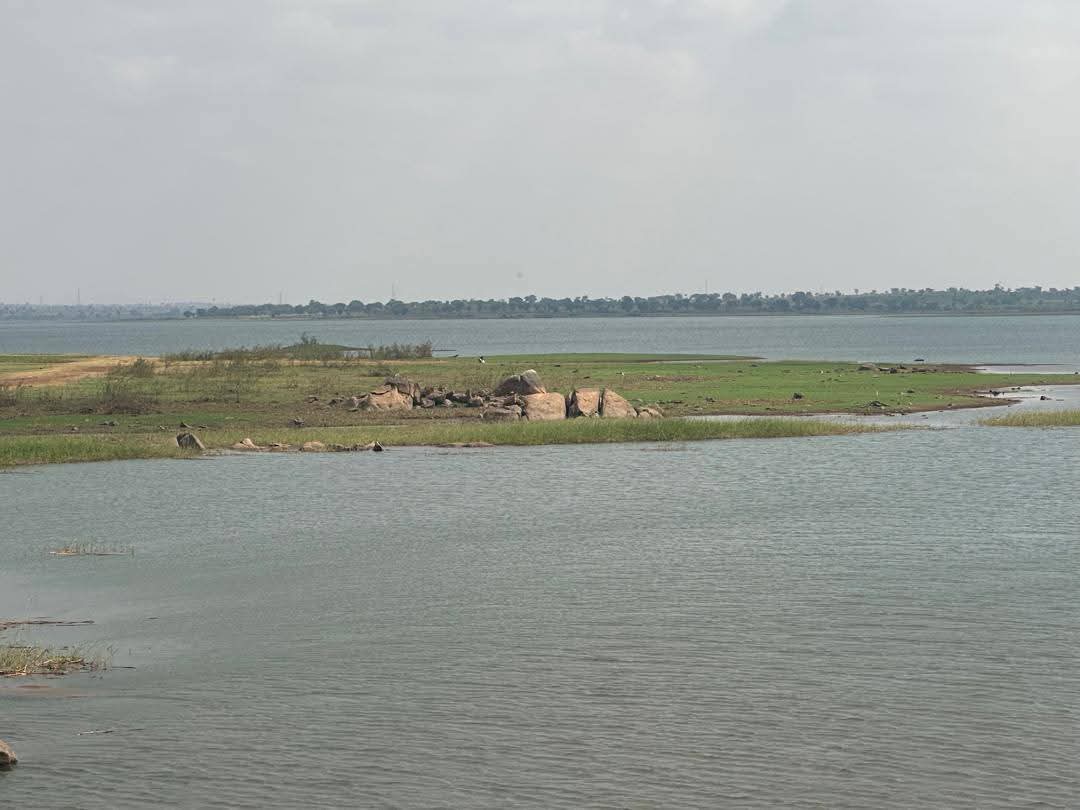
In communities located along the banks of the Kaduna River and other waterways, the arrival of the rains often signals more than just the start of farming activities. It also marks the beginning of a seasonal harvest of aquatic creatures that become abundant as floodwaters expand wetlands and create favorable breeding conditions.
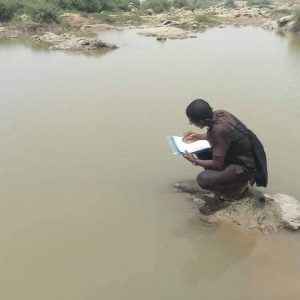
Local collectors say increased rainfall and seasonal flooding have contributed to a noticeable rise in the population of frogs, freshwater crabs and other small aquatic species that are either consumed locally, sold in markets or used for fishing bait.
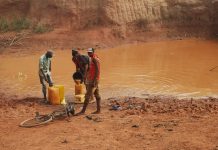
Many young people now spend their evenings and early mornings searching for these creatures in marshy areas, riverbanks and flooded farmlands. What was once regarded as a minor activity has gradually evolved into a source of income for dozens of households.
A resident of a riverine community in Kaduna State explained that during the peak of the rainy season, a basket of frogs can fetch a significant amount in local markets, particularly among buyers who consider them a delicacy or use them for medicinal and cultural purposes.
Similarly, freshwater crabs have become increasingly sought after by traders and restaurants in some urban centers. Vendors say demand often rises during periods when fish supplies decline or become more expensive.
Environmental experts note that rainfall patterns play a crucial role in determining the availability of aquatic species. Increased rainfall can temporarily expand habitats and food sources, leading to population growth among certain river creatures.
However, they caution that climate change is making rainfall patterns less predictable. While some years may bring favorable conditions that support aquatic life, prolonged flooding, pollution and habitat destruction could threaten these species in the long term.
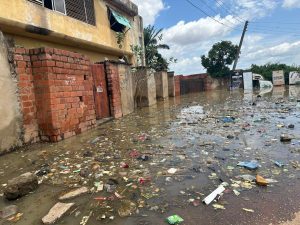
Climate and environmental observers also warn that unsustainable harvesting practices could reduce populations if proper conservation measures are not introduced. They advocate for community-based management systems that balance economic benefits with environmental sustainability.
For many families struggling with the rising cost of living, the seasonal trade offers a welcome opportunity to supplement household income. Women involved in processing and selling the products say the business helps them pay school fees, purchase food and support their families during difficult economic periods.
As climate variability continues to reshape livelihoods across Nigeria, the growing trade in frogs, crabs and other river creatures highlights how communities are adapting to changing environmental conditions and finding new ways to earn a living from natural resources.