By Aliyu Gerengi
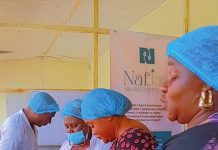
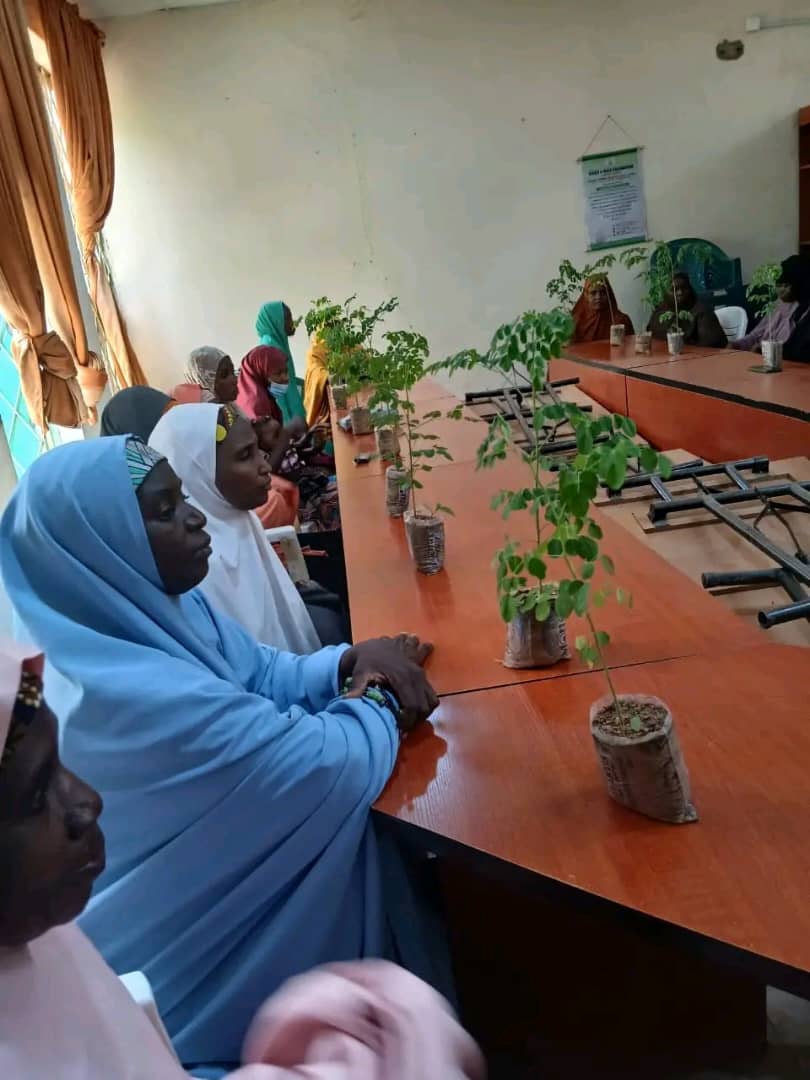
As part of our commitment to advancing women’s empowerment through climate action, JEWEL Environmental Initiative (JEI) partnered with the Zakah and Waqf Foundation, Gombe, under its Women Empowerment Program (WEP), to deliver an impactful environmental sustainability and tree-planting sensitization session.
Beneficiaries were introduced to the Moringa value chain, highlighting the enormous economic, nutritional, and environmental benefits of the Miracle Tree.
Participants learned how Moringa can be cultivated, processed, and marketed into value-added products such as leaf powder, tea, livestock feed, skincare products, and nutritional supplements.
The knowledge is expected to create new income-generating opportunities for women while enhancing household nutrition and food security.
During the engagement participants were provided with practical knowledge on the vital role of trees, forests and nature-based solutions(Nbs) in combating climate change and creating a sustainable livelihood opportunities. Special emphasis were placed on the importance of Moringa and Neem in promoting climate-smart and organic agriculture.
Furthermore, participants learned how Moringa leaves can be processed into a nutrient-rich organic fertilizers and foliar sprays that improve soil fertility and crop productivity, while Moringa seeds can be used in water purification and as a source of valuable oil with nutritional and commercial benefits.
Also, participants were exposed to the use of Neem leaves, seeds, and Neem oil as environmentally friendly alternatives to synthetic agrochemicals.
Neem-based biopesticides help control crop pests and diseases without harming beneficial insects, making them an essential tool for sustainable farming systems.
The training further emphasized how reducing the use of harmful chemical pesticides supports the conservation of pollinators, including bees, butterflies, and other beneficial insects that are critical for food production, biodiversity conservation, and ecosystem health.
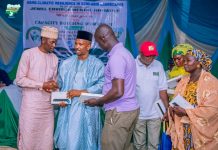
As a demonstration of our efforts to environmental restoration, Climate justice and community resilience, we donated over 50 Moringa seedlings to the beneficiaries. These seedlings is a build up that will contribute to climate resilience, food security, improved nutrition and income generation for women.
On a separate note, we commend the team lead, Dr. Aisha Usman Muhammad for this strategic collaboration and for recognizing the importance of environmental education in community development.
This partnership demonstrates the power of collective action in advancing sustainable development, empowering women and promoting environmental responsibility.
At JEWEL Environmental Initiative we believe that when a women is empowered, communities thrive and when communities thrive, we create stronger and more effective pathways to address climate change.
End