By Maryam Diallo
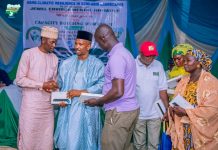
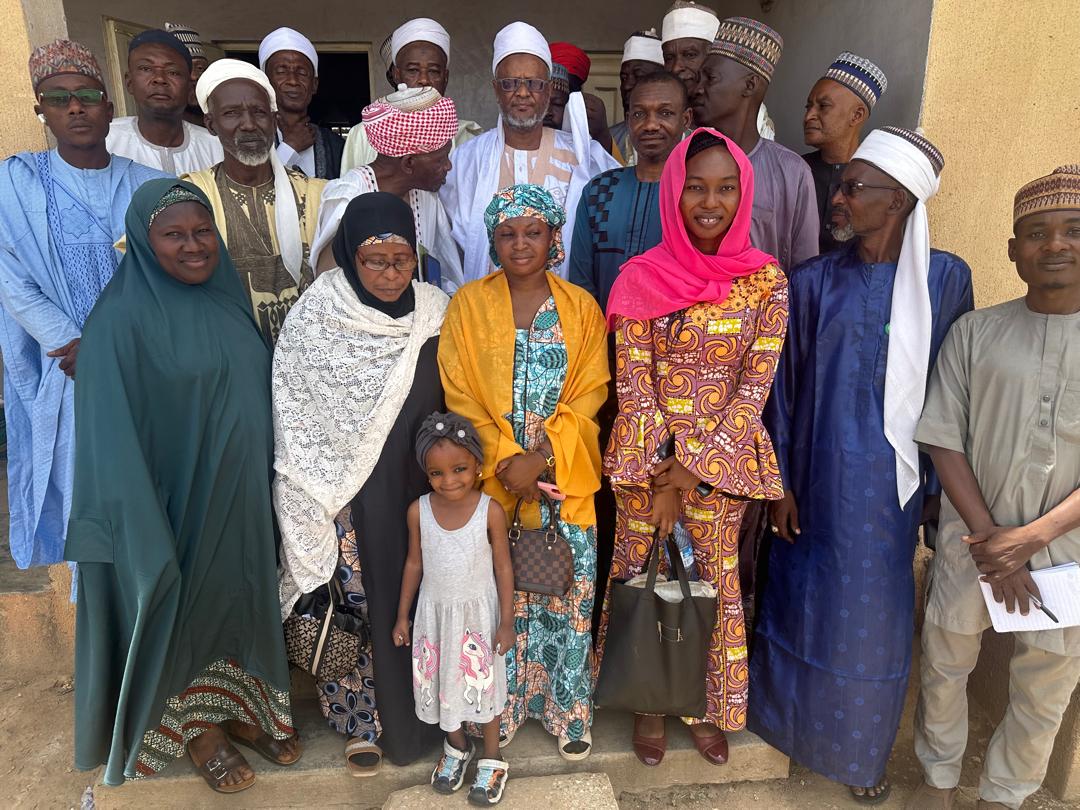
As part of ongoing efforts to strengthen community resilience and promote climate action at the grassroots, the Kaduna State Climate Change Accountability Mechanism (KADCCAM), in collaboration with the Transparency and Accountability in Totality Initiative (TinT-FollowTaxes), conducted a community engagement and sensitization visit to Tudun Wada Community. The engagement aimed to foster collaboration between stakeholders and address pressing environmental challenges, particularly flooding and poor sanitation.
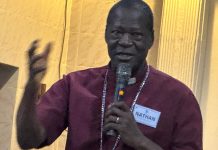
Rev. Michael I. Ikpa, KADCCAM Co-Leader, Agricultural Sector, Kaduna State, led most of the discussion at the Tudun Wada Village Head’s office, with the aim of strengthening cooperation and collaborative efforts toward mitigating climate change and other forms of environmental degradation in the state.
The meeting commenced at approximately 11:00 AM with an opening prayer jointly led by Muslim and Christian clerics, reflecting interfaith unity and cooperation. This was followed by individual introductions of participants, including community leaders, civil society representatives, and other stakeholders.
Key Issues Identified
During the engagement, several critical environmental and social challenges affecting the community were identified:
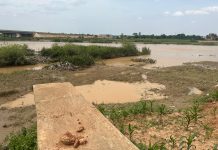
Flooding Risk: Urgent need for river dredging from Kigo Road to Tudun Wada Community to mitigate flooding during the rainy season.
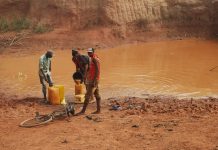
Water Contamination: Contaminated water from gutters flowing into community wells, posing serious health risks.
Poor Waste Management: Presence of unmanaged waste dump sites and indiscriminate dumping of refuse within the community.
Lack of Government Support: Community leaders expressed concerns over inadequate sanitation support and lack of response from relevant government authorities.
Rev. Michael I. Ikpa also presented the four key thematic focus areas of KADCCAM:
Agriculture, Sustainable Land Use, Biodiversity, and Ecosystem Restoration
Green Energy and Green Economy
Waste, Water, Sanitation, and Hygiene (WASH) Management
Climate Governance, Social Inclusion, and Public Awareness
These themes were discussed in relation to the challenges faced by Tudun Wada Community, with emphasis on inclusive participation, especially for vulnerable groups, including persons living with disabilities.
In his remark, Mr. Ibrahima Yakubu, the Co-Chairman of the Kaduna State Climate Change Accountability Mechanism, outlined the purpose of the meeting, emphasizing the need for collaboration between KADCCAM and the community to address climate change challenges. Particular focus was placed on early warning mechanisms to prevent disasters, especially flooding during the rainy season; strengthening community preparedness and resilience; and promoting sustainable environmental practices.
Contributing from a stakeholder that joined KADCCAM during the advocacy visit, the Transparency and Accountability in Totality Initiative (TinT-FollowTaxes), Mallam Musbahu Mukhtar Ashu, emphasized the importance of collaboration among civil society, community members, and government agencies.
They also highlighted the need for enforcement of environmental regulations and community responsibility in maintaining sanitation. The Kaduna State Vigilante Service was suggested as a potential partner in curbing indiscriminate waste disposal.
Capacity Building Commitment
TinT-FollowTaxes pledged to train some women in the community on brick/clean stove (climate-friendly technology) production. A sample of the clean stove was presented to demonstrate sustainable alternatives.
KADCCAM also plans to communicate with another non-governmental organization that specializes in mitigating disasters through early warning and early response systems, ahead of the 2026 rainy season.
Similarly, the Kaduna State Elder Climate Forum, under the leadership of Alhaji Idris Musa, Shattiman Gundumar Tudun Wada, stated that the visit has strengthened collaboration and networking to mitigate all forms of disasters through early warning systems, to improve the lives of residents.
He added that collaboration with government and other civil society organizations at this moment will play a significant role in reducing environmental degradation affecting lives and property. He called for effective coordination and collaboration among all partners and civil society organizations.
In response, the Sarkin Tudun Wada, Kaduna State, Alhaji Yahaya Shehu, commended the efforts of KADCCAM and TinT-FollowTaxes toward improving the lives of citizens.
He appealed to the Ministry of Environment to provide iron refuse dumps in Tudun Wada communities. According to him, this would help reduce the volume of waste from communities entering waterways.
He stressed that providing refuse collection points in the area would help reduce problems associated with waste pollution causing flooding along Bashama Road.
He also appealed to the state government to support the dredging of the river near Bashama Road and other surrounding communities to mitigate flooding.
The meeting was attended by all chiefs and some religious leaders in the community, and it aimed at strengthening efforts by all stakeholders to mitigate flood disasters.