By Ibrahima Yakubu
Head of communication and strategies
Science and environment journalist
African climate reporters
www.africanclimatereporters.com
ibrahimayakubu@gmail.com
info@africanclimatereporter.com
2347038967344
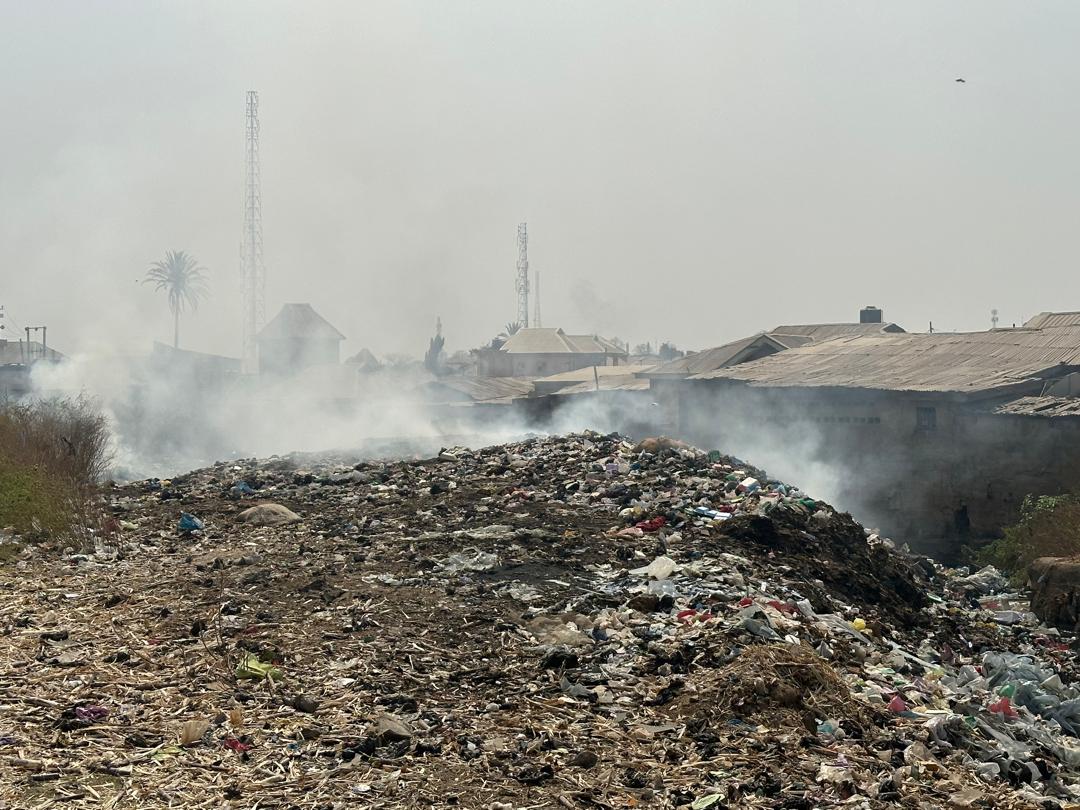
Living near a trash dump is extremely dangerous and harmful to residents. These sites release toxic air pollutants, including smoke from burning waste, methane, and volatile organic compounds (VOCs), which can cause respiratory problems, asthma, bronchitis, and other chronic lung diseases. Long-term exposure may also increase the risk of cancers, birth defects, and other serious health issues.
Trash dumps also contaminate soil and water. Rainwater passing through waste creates leachate, a toxic liquid that can seep into groundwater and nearby rivers, putting drinking water at risk and causing diseases such as cholera, hepatitis, and diarrhea.
In addition, open dumps attract rodents, mosquitoes, and insects, which carry diseases like malaria, dengue, and leptospirosis. Children and vulnerable populations are particularly at risk, as they are more likely to come into contact with contaminated water or soil.

Beyond health, living near trash dumps affects the environment and community well-being. Constant foul odors, smoke, and polluted air reduce quality of life, while property values decline, limiting economic development in affected areas.
Solutions
To protect citizens, it is vital to take urgent action:
Safe waste management: Replace open dumps with sanitary landfills, recycling programs, and composting systems.
Prevent settlement near dumps: Authorities must ensure residential areas are located away from waste sites.
Public awareness: Educate communities about the health risks and safe disposal practices.
Regulation and monitoring: Environmental agencies should regularly monitor pollution levels and enforce laws against open burning and illegal dumping.
Reduce and recycle waste: Minimizing waste generation reduces environmental and health hazards.
Living near trash dumps is more than an inconvenience, it is a public health crisis. By implementing proper waste management, raising awareness, and enforcing regulations, we can create safer, healthier communities for all.