By Ibrahima Yakubu
Climate journalists play a pivotal role in shaping public understanding of environmental hazards and promoting proactive disaster preparedness. By effectively leveraging early warning systems, these journalists can help avert the devastating consequences of floods and waterborne diseases, ultimately saving lives and mitigating economic losses.
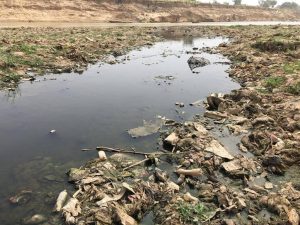
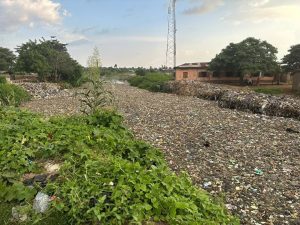
Floods and waterborne disasters are becoming increasingly frequent due to climate change, rapid urbanization, deforestation, and inadequate infrastructure in many regions. Early warning systems, which rely on meteorological data, river level monitoring, and predictive modeling, provide communities with crucial information about impending hazards. When communicated effectively, these warnings allow authorities, local organizations, and residents to take timely and informed actions, such as evacuations, reinforcing flood defenses, or ensuring access to safe drinking water.
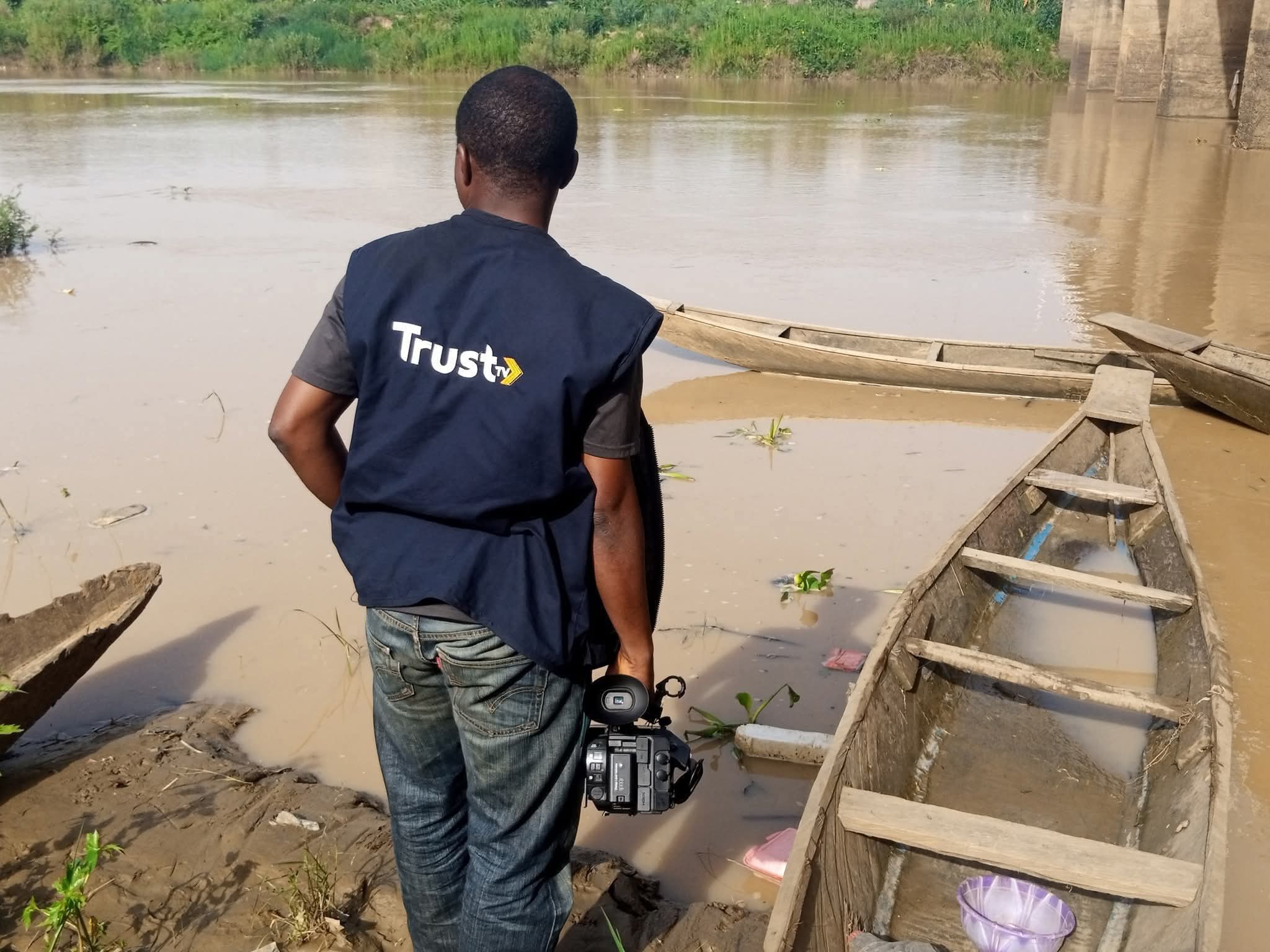
Climate journalists act as the critical bridge between scientific data and public understanding. They translate complex meteorological, hydrological, and environmental information into clear, actionable messages that the general public can understand and act upon. Through newspapers, radio, television, and increasingly, digital platforms and social media, journalists disseminate early warnings, educate communities on safe practices, and highlight preventive measures against waterborne diseases, including proper sanitation and hygiene practices.
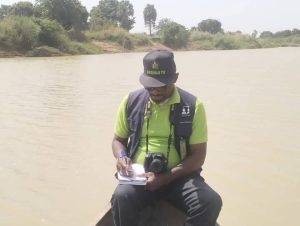
Beyond informing the public, climate journalists play a watchdog role. They hold governments, local authorities, and disaster management agencies accountable by monitoring the effectiveness of early warning systems, emergency responses, and disaster mitigation policies. By reporting on gaps, successes, and lessons learned, they push for stronger policies, better infrastructure, and improved community preparedness.
Solutions to Enhance the Role of Climate Journalism in Disaster Prevention
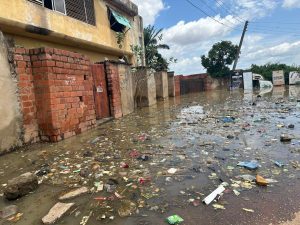
Strengthening Early Warning Systems – Journalists can advocate for modern, reliable, and accessible early warning technologies, including flood sensors, mobile alerts, and real-time weather monitoring.
Community Engagement and Education ,Organizing workshops, community meetings, and educational campaigns to teach local populations how to interpret warnings and take preventive actions.
Collaborating with Experts – Building strong networks with meteorologists, hydrologists, public health officials, and NGOs to ensure accurate, timely, and context-specific reporting.
Leveraging Multiple Media Channels , Using radio, television, social media, and mobile messaging apps to reach diverse audiences, including vulnerable or remote communities.
Advocating for Policy and Infrastructure – Pressuring governments to implement flood management plans, construct drainage systems, and improve access to clean water and sanitation.
Promoting Preparedness and Resilience – Highlighting success stories of communities that effectively responded to warnings, inspiring others to adopt preventive measures.
Challenges remain, however. In some regions, limited access to timely and accurate data, low literacy levels, misinformation, and poor communication infrastructure can reduce the effectiveness of early warnings. Climate journalists often need to adapt their messaging to local languages, cultural contexts, and available communication channels to ensure maximum impact.
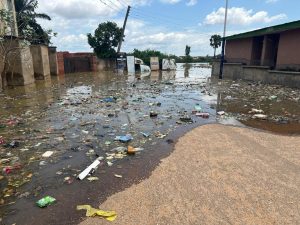 is
is
Despite these challenges, the influence of climate journalists is profound. By connecting science to society and advocating practical solutions, they empower individuals and communities to take informed, preventive action, reducing both human and economic losses. Their work exemplifies the importance of responsible, accurate, and timely reporting in building climate resilience and safeguarding vulnerable populations against floods and waterborne disasters.