By Maryam Diallo Dakar
The Kaduna State Climate Change Accountability Mechanism (KADCCAM) has called on residents across the state to desist from dumping trash, plastics, and other waste materials into waterways, warning that such practices significantly contribute to flooding and environmental degradation.
In a statement made available to the press, the Co-Chairman of KADCCAM, Ibrahima Yakubu, stressed the urgent need for communities to adopt responsible waste disposal habits. He noted that blocked drainage systems and polluted waterways not only increase the risk of flooding but also threaten public health, destroy aquatic life, and contaminate sources of drinking water.
Yakubu further explained that indiscriminate waste disposal has worsened the impact of climate change, particularly during the rainy season when heavy downpours easily overwhelm blocked drainage channels, leading to avoidable loss of property and, in some cases, lives.
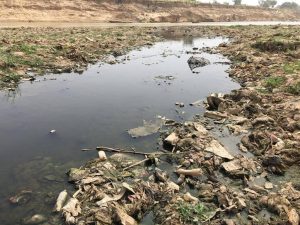
He urged residents to take proactive steps by properly disposing of waste, reducing the use of single-use plastics, and participating in community sanitation exercises.
Proffering solutions, Yakubu outlined several practical measures to address the growing challenge:
Residents should make use of designated waste collection points and avoid dumping refuse in gutters, rivers, and streams.
Communities are encouraged to organize regular environmental sanitation and drainage clearing exercises.

Households should adopt waste separation practices, especially separating plastics for recycling.
Government and private sector stakeholders should invest in effective waste management systems, recycling facilities, and proper drainage infrastructure.
 Strict enforcement of environmental laws and penalties for indiscriminate dumping should be strengthened.
Increased public awareness campaigns through media, schools, and religious institutions to educate citizens on the dangers of water pollution and flooding.

He also called on local authorities and relevant agencies to strengthen waste management systems, enforce environmental laws, and invest in sustainable infrastructure that supports proper drainage and recycling. According to him, collaboration between government, civil society, and citizens is key to building climate-resilient communities.

The KADCCAM Co-Chairman emphasized the importance of environmental education, especially among young people, noting that creating awareness at the grassroots level will help instill long-term behavioral change.
He encouraged schools, religious institutions, and community groups to actively promote cleanliness, environmental protection, and respect for natural resources.

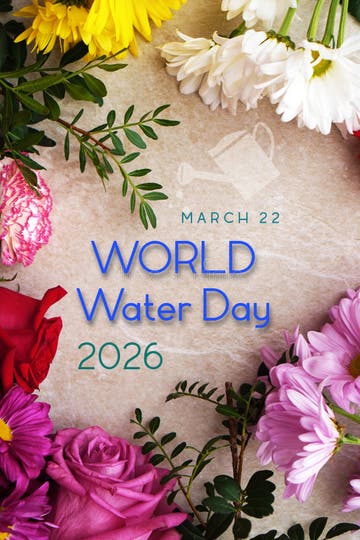
Marking the 2026 World Water Day, KADCCAM reiterated its commitment to advocating for climate accountability, sustainable water management, and environmental protection. The organization also used the occasion to call for unity, collective responsibility, and peaceful coexistence among residents, stressing that a cleaner and safer environment benefits everyone.
KADCCAM therefore urged all residents to see the protection of waterways not just as a duty, but as a vital step toward securing a healthier, flood-free, and more sustainable future for Kaduna State and beyond.