By Ibrahima Yakubu
Head of communication and strategies
A science and environment journalist
African climate reporters
www.africanclimatereporters.com
ibrahimayakubu@gmail.com
2347038967344

Rivers and oceans are often seen as sources of water for drinking, agriculture, and transportation. However, beyond these visible benefits, they play a crucial and often overlooked role in maintaining clean air and a healthy atmosphere.
One of the most important ways oceans contribute to clean air is through their ability to absorb carbon dioxide (CO₂), a major greenhouse gas responsible for global warming. The world’s oceans act as natural carbon sinks, taking in a significant portion of the carbon dioxide released into the atmosphere by human activities such as burning fossil fuels and deforestation. By reducing the amount of CO₂ in the air, oceans help to slow down climate change and improve air quality.
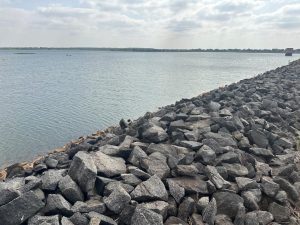
In addition to absorbing carbon dioxide, oceans are also a major source of oxygen production. Tiny marine organisms known as phytoplankton perform photosynthesis, a process that uses sunlight to convert carbon dioxide into oxygen. These microscopic plants are responsible for producing more than half of the oxygen we breathe, making oceans vital to life on Earth.
Rivers also play an indirect but important role in maintaining clean air. They support ecosystems such as wetlands and mangroves, which are highly effective at filtering pollutants and storing carbon. These natural systems help to reduce the amount of harmful substances that could otherwise enter the atmosphere.
Furthermore, rivers and oceans are central to the Earth’s water cycle. Through evaporation, water rises into the atmosphere, forms clouds, and eventually falls as rain. This rainfall helps to wash dust, smoke, and other air pollutants out of the atmosphere, contributing to cleaner air and a healthier environment.
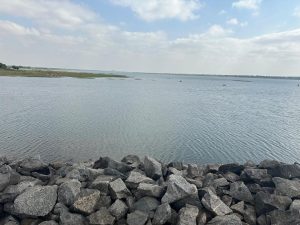
Another key function of oceans is their ability to regulate temperature. By absorbing and storing heat, oceans help to stabilize the Earth’s climate. This reduces the intensity of heatwaves and limits the formation of smog and other air pollutants that thrive in high temperatures.
Despite these vital roles, rivers and oceans are increasingly threatened by pollution, plastic waste, oil spills, and industrial discharge. When water bodies are polluted, their ability to absorb carbon, produce oxygen, and support healthy ecosystems is greatly reduced. This not only harms marine life but also weakens the natural systems that help keep our air clean.
Solutions to Protect Rivers, Oceans, and Our Air
To sustain the role of rivers and oceans in keeping our air clean, urgent and collective action is required:
Reduce Pollution: Governments must enforce stricter laws against dumping waste into rivers and oceans, while industries should adopt environmentally friendly production methods. Individuals should also reduce plastic use and dispose of waste properly.
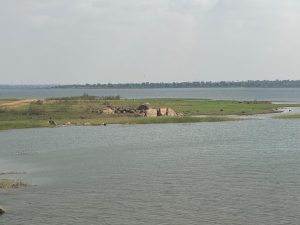
Promote Clean Energy: Reducing dependence on fossil fuels will lower carbon emissions, making it easier for oceans to maintain their natural balance.
Protect and Restore Ecosystems: Wetlands, mangroves, and coastal environments should be protected and restored, as they act as natural filters and carbon storage systems.
Public Awareness and Education: Communities must be educated on the link between water bodies and clean air. Environmental campaigns can encourage responsible behavior.
Support Climate Policies: Governments and organizations should invest in climate-friendly policies and initiatives that protect both air and water resources.
Community Participation: Local communities, especially those living near rivers, should be actively involved in conservation efforts such as clean-up campaigns and monitoring pollution.

In conclusion, rivers and oceans are powerful allies in the fight for clean air and a stable climate. Protecting them is not just an environmental responsibility but a necessity for human survival. By taking collective action today, we can ensure a cleaner atmosphere and a healthier planet for generations to come.