By Ibrahima Yakubu
In recent years, international conflicts such as the war between Russia,Ukraine War, tensions between Iran and the United States, and conflicts involving Israel have not only caused humanitarian and political crises but have also contributed significantly to climate change and environmental degradation. While the focus of war is often on human casualties and geopolitical consequences, the environmental damage caused by these conflicts is often overlooked.
The theme of this write up is When Nations Fight, the Planet Suffers: War’s Impact on Climate Change”
One of the major ways wars contribute to climate change is through massive greenhouse gas emissions. Modern warfare relies heavily on fossil fuels to power tanks, fighter jets, warships, and military vehicles. The ongoing Russia–Ukraine conflict has produced enormous amounts of carbon emissions due to military operations, destruction of infrastructure, and the burning of fuel depots. The movement of heavy military equipment and aircraft releases significant amounts of carbon dioxide into the atmosphere, accelerating global warming.
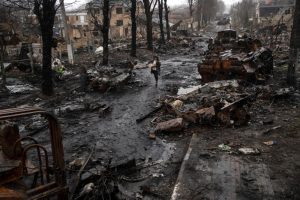
Another major environmental impact of war is the destruction of ecosystems and natural resources. Bombings, artillery shelling, and missile attacks damage forests, farmland, rivers, and wildlife habitats. In war zones, fires caused by explosions can destroy large areas of vegetation and release stored carbon into the atmosphere. Toxic chemicals, heavy metals, and explosive residues also contaminate soil and water sources, making them unsafe for agriculture and human consumption.
War also causes industrial and infrastructure disasters that worsen environmental pollution. Attacks on oil depots, power plants, pipelines, and chemical facilities release dangerous pollutants into the air, soil, and water. These pollutants can remain in the environment for years, harming both ecosystems and human health.
Conflicts in the Middle East, especially tensions involving Iran, the United States, and Israel, also influence climate change indirectly. These tensions often disrupt global energy markets and increase the demand for oil and gas. As countries attempt to secure their energy supplies, they may increase fossil fuel production, slowing the global transition toward renewable energy sources such as solar and wind power.
Another environmental consequence of war is forced migration and reconstruction. Millions of people displaced by conflicts require housing, transportation, and humanitarian assistance, which increases energy consumption and resource use. Rebuilding destroyed cities, roads, and infrastructure requires large quantities of cement, steel, and other materials that produce high carbon emissions during manufacturing.
Possible Solutions to Reduce Conflict and Environmental Damage
Addressing the environmental consequences of war requires both peacebuilding efforts and environmental cooperation among nations.
First, diplomacy and international dialogue should be strengthened to prevent conflicts from escalating into war. International organizations such as the United Nations play an important role in mediating disputes and promoting peaceful negotiations between countries.
Second, governments should promote international environmental agreements that hold countries accountable for environmental damage caused during conflicts. Global cooperation under agreements like the Paris Agreement can encourage nations to reduce emissions and prioritize climate protection even during political tensions.
Third, countries should invest more in renewable energy and sustainable development. By reducing dependence on fossil fuels, nations can lower both military-related emissions and competition over energy resources, which sometimes contributes to geopolitical conflicts.
Fourth, there should be stronger laws protecting the environment during war. International humanitarian law should include clearer rules against the destruction of ecosystems, forests, water resources, and industrial facilities that could cause environmental disasters.
Finally, global cooperation and climate diplomacy should become central to international relations. When countries collaborate on climate action, scientific research, and environmental protection, they build trust and reduce the likelihood of conflict.
Conclusion
International wars not only result in human suffering and political instability but also contribute significantly to climate change and environmental degradation. From increased carbon emissions and ecosystem destruction to pollution and delayed climate action, the environmental consequences of war can last for decades. Promoting diplomacy, international cooperation, and sustainable energy solutions is essential to reducing both global conflicts and their environmental impacts. Peace is therefore not only necessary for global stability but also for the protection of the planet and future generations.
Beyond Human Loss: International Wars Are Damaging the Earth’s Climate