By Maryam Diallo
Communities in many parts of the world are witnessing a worrying increase in the population of rodents, a development that experts link to the growing impacts of climate change.
Environmental scientists say changing weather patterns, rising temperatures, flooding, and environmental degradation are creating favorable conditions for rodents such as rats and mice to reproduce rapidly and expand their habitats. As climate change continues to alter ecosystems, many rodents are being forced out of their natural environments and into human settlements in search of food and shelter.
In urban and rural communities alike, the growing rodent population is becoming a serious public health concern. Rodents are known carriers of dangerous diseases including Lassa fever, Leptospirosis, and Hantavirus, which can spread through contaminated food, water, or contact with rodent droppings.
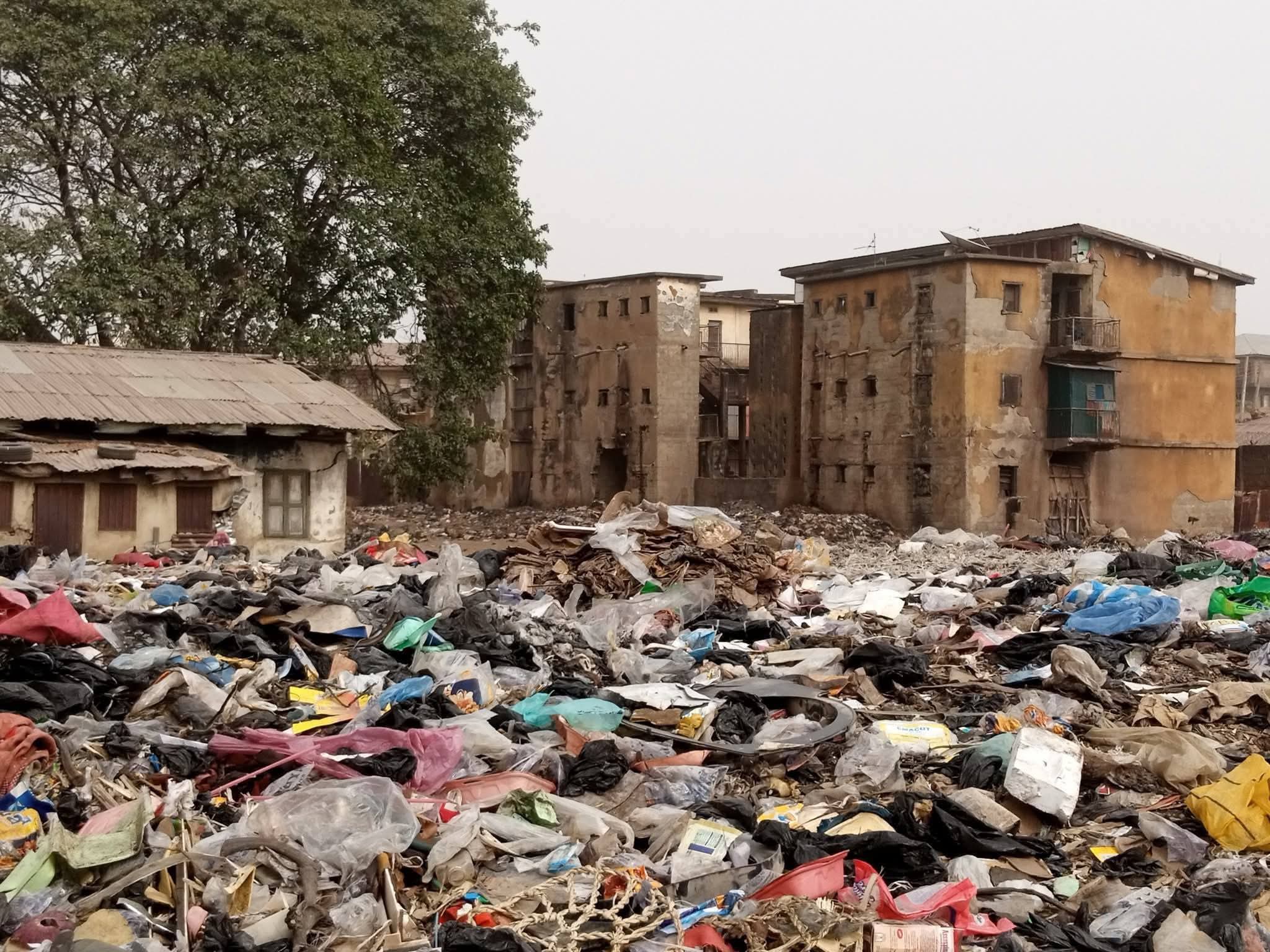
Environmental experts warn that the situation is worsening in many developing countries where poor waste management systems, open drainage, and overcrowded settlements provide ideal breeding grounds for rodents. Flooding caused by climate change also forces rodents to move into homes, markets, and food storage areas.
Speaking on the issue, Ibrahima Yakubu, Head of Communications and Strategies and a wildlife journalist, stressed that climate change is increasingly influencing wildlife behavior and forcing animals to adapt in ways that bring them closer to human populations.
Yakubu noted that, “The rise in rodent populations is not only an environmental problem but also a serious public health concern. Climate change is altering ecosystems and pushing many animals into human communities. If urgent action is not taken, the spread of diseases linked to rodents could increase.”
He further called on governments, environmental agencies, and local communities to strengthen sanitation practices and adopt climate-responsive environmental policies.

Experts recommend several measures to reduce the growing rodent problem. These include improving waste disposal systems, covering food storage areas, clearing blocked drainage channels, and promoting community sanitation campaigns.
Environmental advocates also emphasize the need for climate action, urban planning, and public awareness campaigns that educate communities on the connection between climate change, wildlife displacement, and disease outbreaks.
As climate change continues to reshape ecosystems around the world, experts warn that societies must prepare for emerging environmental and health challenges. Addressing the increase in rodent populations is therefore not only about pest control but also about protecting public health and strengthening climate resilience.