Head of Communication and Strategies,African climate reporters,Wildlife Journalist
Parrot birds in Nigeria are facing increasing threats from climate change, habitat loss, and illegal trade, raising concerns among conservationists about the survival of these colorful and intelligent birds.
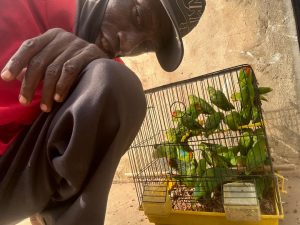
In a recent survey conducted by Ibrahima Yakubu, Head of Communication and Strategies and wildlife journalist, findings showed that over 70% of respondents believe that climate change, deforestation, and human activities are the leading threats to parrot populations in Nigeria. The survey stressed the urgent need to implement measures to protect parrots from extinction and safeguard their habitats.
Experts say that rising temperatures, unpredictable rainfall, and extreme weather events are affecting parrots’ habitats, food sources, and breeding grounds. “Many parrot species are struggling to adapt to changing conditions, and some are at risk of local extinction if urgent measures are not taken,” a wildlife conservation official said.
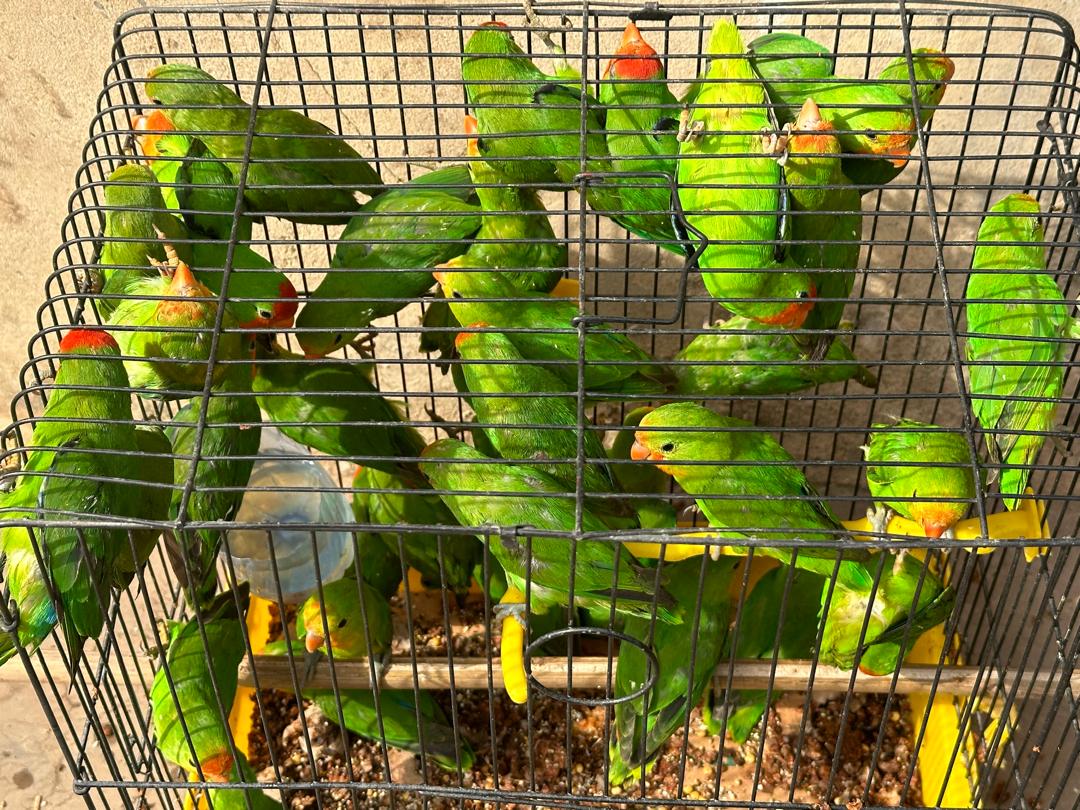
Human activity is worsening the situation. Deforestation, agricultural expansion, and the illegal pet trade have significantly reduced wild parrot populations. In some areas, parrots are captured for sale, further threatening their survival. Pollution and destruction of forests and wetlands also disrupt the delicate ecosystems parrots rely on.
Parrots play a critical role in maintaining biodiversity. By dispersing seeds, they support the growth of forests and the survival of countless other species. Scientists warn that the loss of parrots could destabilize ecosystems and indicate broader environmental problems affecting humans as well.
Experts Call for Urgent Solutions
The survey conducted by Yakubu also highlighted public support for conservation initiatives. Conservationists are advocating a multi-pronged approach to save parrots in Nigeria:
- Habitat Conservation – Protecting and restoring forests, wetlands, and savannas is essential. This ensures parrots have access to food and nesting sites.
- Combatting Illegal Trade – Stronger enforcement of wildlife laws and public awareness campaigns are needed to stop poaching and the illegal pet trade.
- Climate Change Mitigation – Reducing greenhouse gas emissions, planting trees, and supporting sustainable agriculture can slow climate change and protect ecosystems.
- Community Engagement and Education – Local communities should be involved in conservation efforts through tree-planting programs, wildlife protection campaigns, and environmental education in schools.
- Research and Monitoring – Scientists recommend monitoring parrot populations, studying migration patterns, and identifying climate-vulnerable habitats to inform targeted conservation strategies.
“Protecting parrots is not just about saving a single species,” the official said. “It is about safeguarding ecosystems and ensuring a healthier environment for both wildlife and people.”
Environmentalists and wildlife experts are urging the Nigerian government, state authorities, and local communities to prioritize wildlife conservation and integrate these solutions into national and regional climate action plans. Immediate action is crucial to prevent further decline and potential extinction of Nigeria’s parrot species.