REPORT: STRATEGIC MANAGEMENT OF TEXTILE WASTE IN KADUNA STATE
A Case Study on Circular Economy and Climate Action (SDG 13)
Location:
Kaduna State, Nigeria
Prepared by:
Hassan Hamisu Bello
Founder/CEO, Eco-Stitch Textile Transformation
Date:
January 13, 2026
. Executive Summary
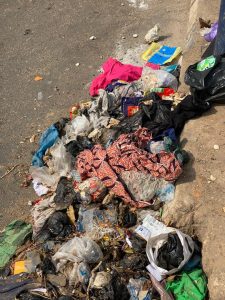
Kaduna State, once celebrated as the “Textile Hub of Nigeria,” is currently facing a dual crisis: the collapse of major textile manufacturing industries,such as Arewa Textiles—and the rapid accumulation of post-consumer and tailoring textile waste. This report examines the contribution of textile waste to Kaduna’s persistent urban flooding and deteriorating air quality.
It proposes a transition from the prevailing “Burn and Dump” waste disposal model to a Circular Economy framework, aligning directly with Sustainable Development Goal (SDG) 13: Climate Action, and SDG 12: Responsible Consumption and Production. The report demonstrates how effective textile waste management can simultaneously address environmental risks and unlock economic opportunities.
2. Introduction: The Kaduna Context
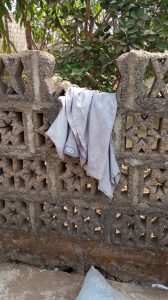
Historically, Kaduna State was the nucleus of Nigeria’s textile industry, particularly within the Kakuri Industrial Estate. At its peak, the sector employed tens of thousands of workers and served as a backbone of the state’s economy. Today, most of these factories are inactive or abandoned.
However, the decline of industrial textile production did not eliminate textile waste—it merely altered its source:
Tailoring Clusters: In response to factory closures, the local economy shifted toward thousands of small and medium-scale tailoring enterprises concentrated in areas such as Tudun Wada, Kawo, Sheikh Gumi Market, and Kaduna Central Market.
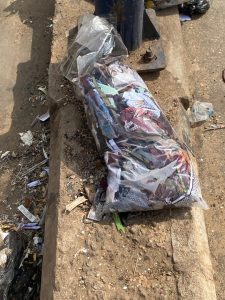
“Okrika” (Second-Hand Clothing) Imports: A significant influx of imported second-hand clothing has increased textile consumption. A large proportion of these items are unsellable and ultimately discarded as waste.
3. Problem Analysis: The Waste–Climate Nexus
Current textile waste management practices in Kaduna State create a harmful cycle that intensifies climate vulnerability.
A. Drainage Blockage and Urban Flooding (Climate Adaptation Challenge)
The Problem:
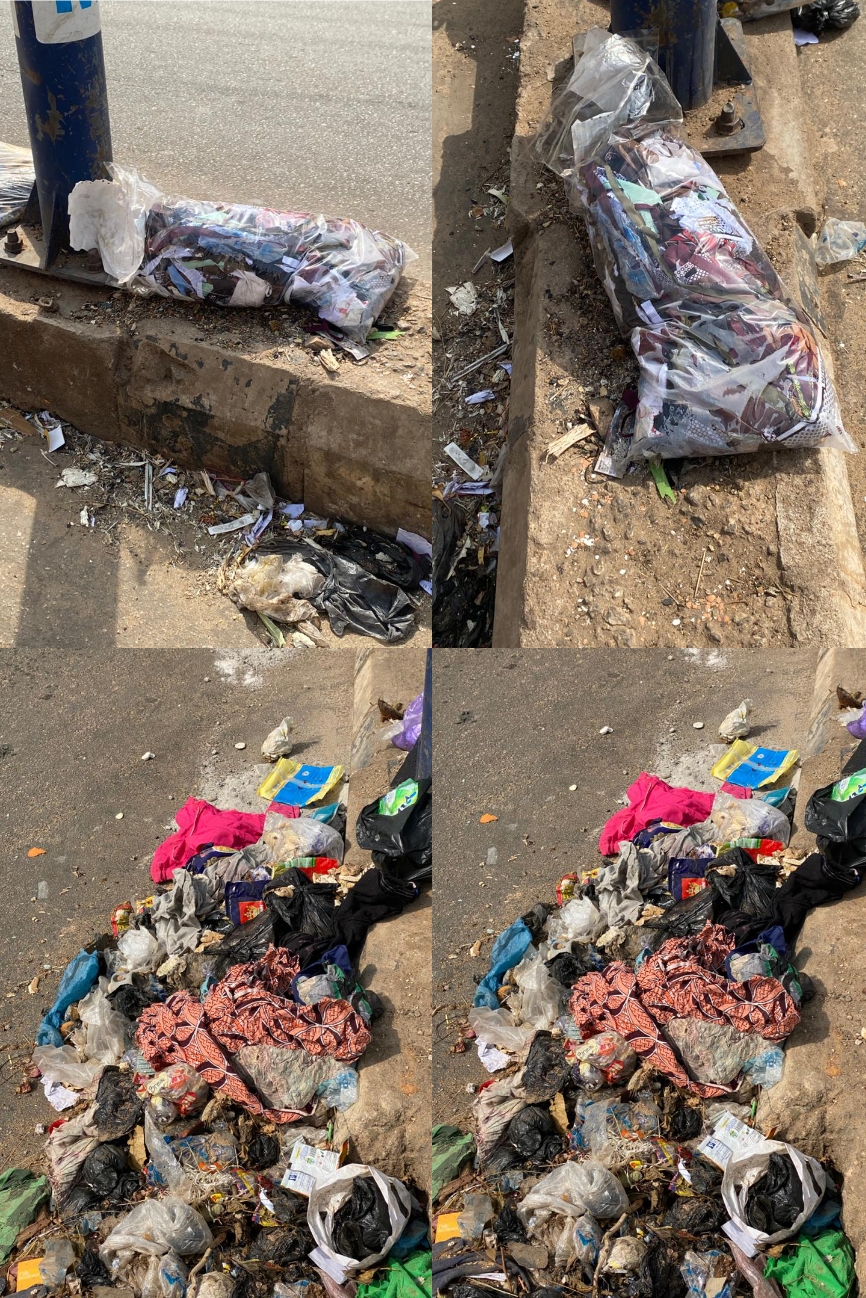
Tailoring off-cuts and unsold second-hand clothing are largely non-biodegradable. When improperly disposed of, they accumulate in open drainage channels across urban areas.
The Consequence:
During the rainy season (May–September), blocked drains reduce water flow, causing the River Kaduna and its tributaries to overflow and resulting in recurrent urban flooding.
Case Study Evidence:
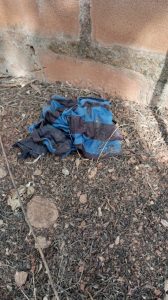
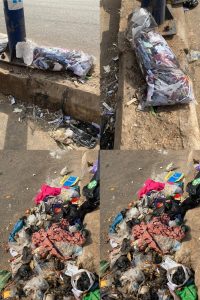
Neighborhoods such as Kigo Road, Barnawa, and Unguwar Rimi frequently experience flash floods. Field observations indicate that a significant proportion of drain blockages consist of textile waste, particularly heavy fabrics like denim and wool that do not easily decompose.
B. Open Burning and Air Pollution (Climate Mitigation Challenge)
The Problem:
Due to inadequate waste collection services—particularly in low-income and high-density areas—tailors often resort to burning textile scraps, usually at night.
The Consequence:
The burning of synthetic fabrics such as polyester and nylon releases toxic pollutants, including microplastics and black carbon (soot). Black carbon is a short-lived climate pollutant with a global warming potential many times greater than carbon dioxide (CO₂), while also posing serious public health risks.
4. Current Waste Management Gaps
Actor Current Role Identified Gap
Kaduna State Environmental Protection Authority (KEPA) Regulatory oversight and waste collection in major districts Limited collection frequency in high-density informal settlements where tailoring activities are concentrated
Private Sector Participants (PSPs) Household waste collection for a service fee Tailoring waste is classified as “commercial,” attracting higher fees that small-scale tailors often avoid
Tailors and Fashion Designers Primary generators of textile off-cuts Limited awareness of recycling value; textile scraps are perceived solely as waste
5. Proposed Solutions: A Circular Economy Model
To address these challenges, Kaduna State must reposition textile waste as a valuable resource rather than a disposal burden.
Solution 1: Cluster Collection System (Community Level)
Rather than individual disposal, tailoring associations—such as those in Sheikh Gumi Market and Kasuwar Barchi—should establish centralized waste collection points.
Action:
Establish “Textile Banks” where tailors deposit sorted textile waste (e.g., cotton versus synthetic fabrics).
Incentive Mechanism:
Tailors receive incentives such as discounts on fabric purchases, sewing machine maintenance, or tailoring supplies for every 10 kg of waste submitted.
Solution 2: Industrial Symbiosis (State Level)
Create direct linkages between textile waste producers and industries that can utilize recycled materials.
Mattress and Furniture Manufacturing:
Shredded textile waste (shoddy) can replace imported foam as a cost-effective and durable filling material for mattresses and sofas.
Sports and Fitness Equipment:
Dense fabrics such as denim and Ankara are suitable for filling punching bags used in gyms and sports centers, responding to Kaduna’s growing youth and fitness population.
Solution 3: Policy and Regulatory Intervention (Government Level)
Enforcement of Open-Burning Ban:
KEPA should strictly enforce existing regulations prohibiting the open burning of textile waste, in line with the National Environmental (Textile, Wearing Apparel, Leather and Footwear Industry) Regulations.
Integration into Flood Mitigation Planning:
Textile recycling should be recognized as a cost-effective flood prevention strategy. Preventing drain blockage through waste recovery is significantly cheaper than repairing flood-damaged infrastructure.
6. Conclusion and Recommendations
In Kaduna State, textile waste currently functions as a “threat multiplier”, exacerbating urban flooding and air pollution. However, through the adoption of a Circular Economy approach, textile waste can be transformed into a driver of environmental protection, job creation, and climate resilience.
Recommendation:
A pilot project should be launched in Kaduna North Local Government Area, where there is a high concentration of fashion designers and tailoring clusters. Successful implementation at this scale will provide a strong evidence base for statewide replication.