By Ibrahima Yakubu
Climate change is increasingly becoming one of the biggest challenges threatening the future of children around the world, affecting their education, health, nutrition, and future opportunities.
Although children contribute the least to climate change, they are among those who will suffer its consequences for many years to come. Rising temperatures, floods, droughts, and environmental degradation are already changing the lives of millions of children, especially those living in vulnerable communities.
In many areas, climate change is disrupting children’s education. Floods and other climate-related disasters often damage schools, destroy learning materials, and make roads inaccessible, forcing some children to stay away from classrooms. In communities affected by drought and food shortages, some families are forced to withdraw children from school as they struggle to survive.
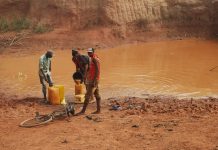
The health of children is also being affected by the changing climate. Increasing temperatures expose children to heat-related illnesses, dehydration, and other health risks. Changes in rainfall patterns and environmental conditions are also contributing to the spread of some diseases, especially in communities with limited access to healthcare and clean water.
Climate change is also creating challenges for child nutrition. As floods, droughts, and changing weather patterns affect agricultural production, many families experience reduced food availability. Children from poor households are often the most affected, as inadequate nutrition can affect their growth, learning ability, and overall development.

Experts warn that children growing up in climate-affected communities may face fewer opportunities in the future due to poverty, displacement, and loss of livelihoods. Many young people may inherit environmental challenges they did not create but will have to manage throughout their lives.
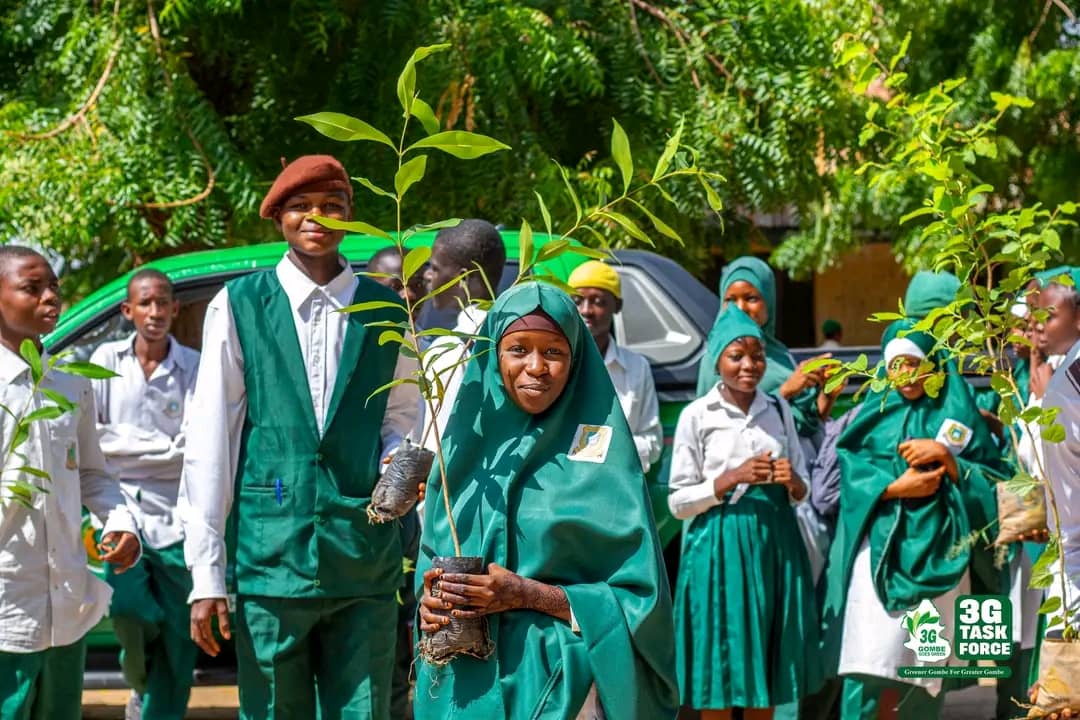
However, climate experts and environmental organisations say children should not only be viewed as victims of climate change but also as future leaders who can contribute to solving environmental challenges.
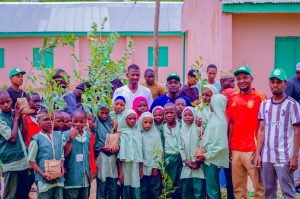
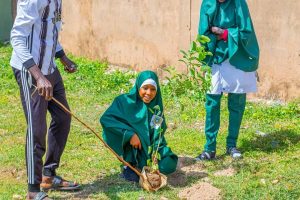
They recommend strengthening climate education in schools, where children can learn about environmental protection, recycling, tree planting, and sustainable practices. Building climate-resilient schools with proper drainage systems, clean water facilities, and green spaces can also help protect children from climate impacts.
Supporting vulnerable families through climate-smart agriculture, food security programmes, and improved access to healthcare can reduce the pressure that forces some children to leave school.
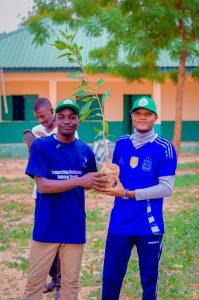
Experts also emphasise the importance of giving young people a voice in climate discussions, allowing them to participate in environmental projects and decision-making processes that affect their future.
As the world continues to experience the effects of climate change, protecting children must become a priority. Climate action today will determine the kind of planet future generations will inherit.
Children did not create the climate crisis, but the choices made by society today will shape their tomorrow.